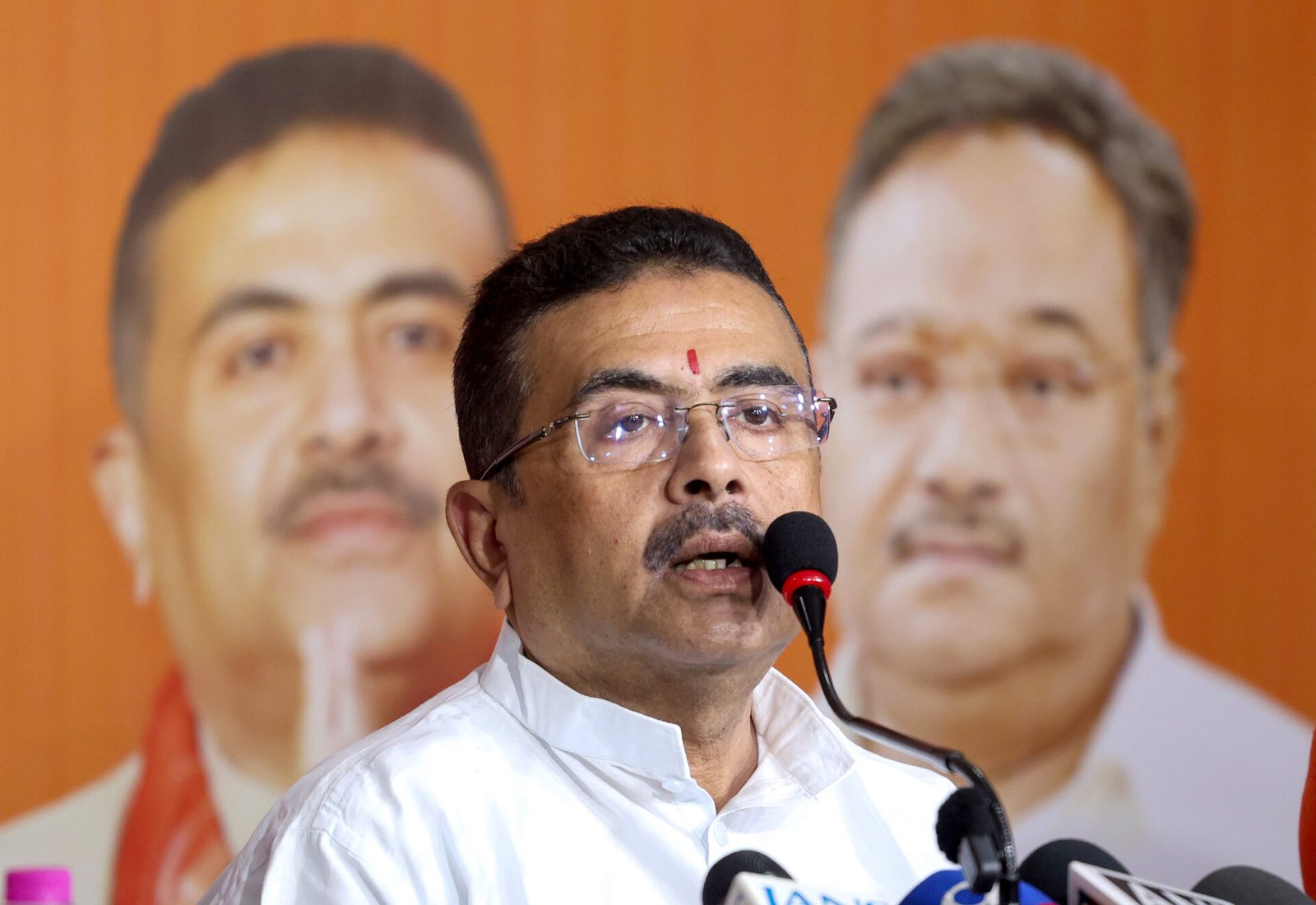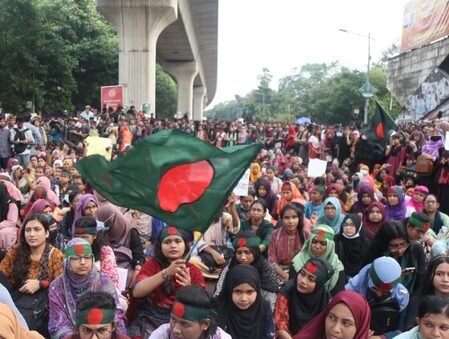
Dhaka, Dec 3 (IANS) The Bangladesh Jamaat-e-Islami (JI)’s chief, Shafiqur Rahman, has faced massive criticism after he recently shared his plan to reduce the working hours for women which many believe is part of a larger effort to reorient women towards home, restricting their freedom, movement and presence in the workplace, a report detailed on Wednesday.
While addressing an event in New York in October, Shafiqur Rehman said, “When we come to power, we will reduce their (women’s) working hours. This will be to help mothers fulfil their duties towards their children and to honor them as mothers.” Social media users and several political parties, including the Bangladesh Nationalist Party (BNP), have slammed him for his remarks. Despite facing criticism, Rehman did not take back his statement. Instead, he reiterated his statement about reducing working hours for women at an event in Dhaka, according to a report in The Diplomat.
“Women in the workplace will work five hours and receive pay equivalent to eight hours. Employers will pay for five hours, while the government will cover three hours’ wages. Those engaged in domestic work will be honoured as ‘Rotnogorva‘ (a mother of gems). Women who choose to work eight hours will also be recognised and respected,” he said.
The Diplomat report highlighted that the Jamaat chief’s statements have triggered heated discussion and debate in Bangladesh. Some are wondering about the politics behind this speech.
“Will reducing women’s working hours really pave the way for development of women? Or is it just a political strategy for votes? Has the JI chief considered the implications of the subsidies for Bangladesh’s economy? Many Bangladeshis believe that this is a strategy of the Jamaat to send working women back home, which will not only weaken their economic situation but also further skew gender equations against women,” it mentioned.
Over the past year, the JI has been making efforts to change its image as a collaborator in the 1971 genocide in Bangladesh and trying to showcase itself as a “moderate” Islamic party. However, Shafiqur Rehman’s recent remarks about cutting working hours for women has resulted in party facing new controversy. The Jamaat plan to reduce working hours for women will be a setback to women’s advancement in the workplace. Women will be left behind in the competition between male and female for the same post at the workplace. Furthermore, recruiters will have more inclination towards men while hiring, resulting in women facing difficulty in career advancement. Working women not only have financial independence and self-reliance but also contribute to the family income and welfare as well as educational progress of children.
“Rahman’s proposal for reducing the workday for women from 8 to 5 hours to give them more time for housework is completely consistent with the Jamaat’s long-standing ideological stance on women, which is to keep them confined to the four walls of their home to ensure that they give full attention to what the JI deems to be women’s work: cooking, cleaning and child bearing and rearing. Recently, Rahman said that if he came to power, he would not force women to wear the burqa. He then went on to say that women would dress modestly on their own, realizing the beauty of the welfare state,” the report mentioned.
“He did not explain what he meant by ‘dressing modestly.’ However, historically, the JI has been in favor of strict gender segregation and the wearing of the burqa. With an eye on the upcoming elections, the JI is seeking to project itself as an Islamic left party. In this context, many believe that the five-hour workday for women is not an isolated policy proposal; rather, it is part of a larger effort to reorient women toward the home, limiting their freedom, movement, and presence in the workplace, all under the guise of a welfare state,” it added.