PARIS(RAHNUMA): Iran’s latest internet blackout has lasted more than 14 days, connectivity monitor Netblocks said on Friday.
The nature of the limits on internet activity shows “this is a government-imposed measure” and not the result of damage from US and Israeli airstrikes, Netblocks research chief Isik Mater said.
“It is a deliberate shutdown imposed by the authorities to suppress the flow of information and prevent further dissent,” said Raha Bahreini, Iran researcher at Amnesty International.
Here are some of the ways information is still flowing in and out of Iran.
Amsterdam-based nonprofit Radio Zamaneh began shortwave broadcasts during the January protests, sending a nightly Farsi news program from 11 p.m. Tehran time.
“It’s really difficult for the regime to jam shortwave because it’s a long-distance broadcast,” executive director Rieneke van Santen said. “People can just listen on a super cheap, small, simple radio … It’s one of those typical emergency fall-back solutions.”
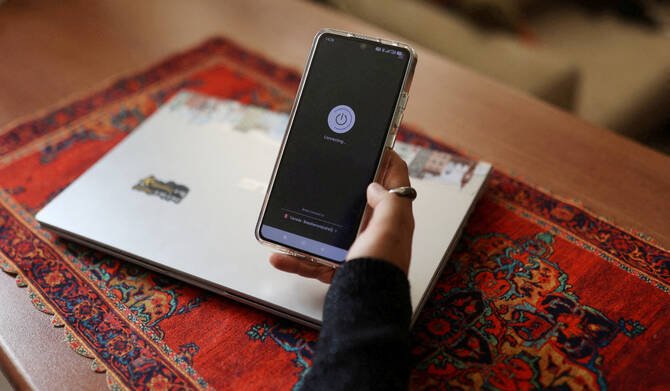
Virtual private networks — widely-used services that encrypt Internet traffic — can’t create an Internet connection where none is available.
But even at around one percent of typical levels, Iran’s connectivity is “still a large figure in absolute terms,” Mater said.
Before the war, millions turned to Toronto-based company Psiphon, which creates specialist tools more capable than typical “off-the-shelf” VPNs.
Offering techniques including disguising users’ data as different types of internet traffic, Psiphon “is able to evade detection more successfully,” data and insights director Keith McManamen said.
Elon Musk-owned satellite internet service Starlink was used during this year’s protests to get information out, while the government attempted to jam its signals.