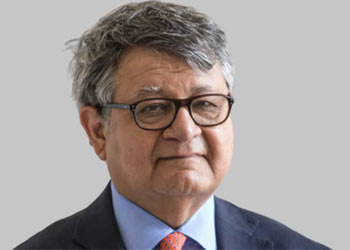
New Delhi, March 24 (IANS) India’s experience shows that integrating Sustainable Development Goals (SDGs) into state and local planning can boost ownership and speed up progress across sectors, NITI Aayog Vice Chairman Suman K. Bery said on Tuesday.
An international workshop on peer learning around Voluntary National Reviews (VNRs) and SDG implementation pathways began in the national capital, bringing together policymakers, experts and government officials from India and abroad to discuss ways to strengthen governance systems for achieving the global goals.
In his keynote address, Bery highlighted that India’s approach of embedding SDGs into planning at the state and local levels has helped create a sense of ownership and improved coordination, leading to faster development outcomes.
“Localisation of SDGs is key to turning global commitments into real change on the ground,” he said.
Germany’s Ambassador to India and Bhutan, Philipp Ackermann, stressed that SDGs remain a vital global framework to measure development progress.
Meanwhile, UN Resident Coordinator in India Stefan Priesner pointed out that VNRs are evolving as important tools to strengthen institutions, identify gaps and improve policy alignment, especially in planning, financing and data systems.
Saurabh Garg, Secretary at the Ministry of Statistics and Programme Implementation, emphasised the importance of strong data systems and indicators to track SDG progress and support evidence-based policymaking across all levels of governance.
The workshop featured multiple sessions focusing on different aspects of SDG implementation.
Officials from NITI Aayog shared India’s experience, with Programme Director (SDGs) Rajib Kumar Sen noting that the VNR process encourages continuous dialogue and coordination between ministries, states and stakeholders.
Discussions also covered regional priorities in Asia and the Pacific, including strengthening institutions, improving collaboration across sectors and advancing strategies at the subnational level.
Participants reviewed global progress so far and explored how the SDG framework may evolve beyond 2030.
Special roundtable sessions focused on key issues such as gender equality, inclusive development, better coordination between institutions and the role of data in policymaking.