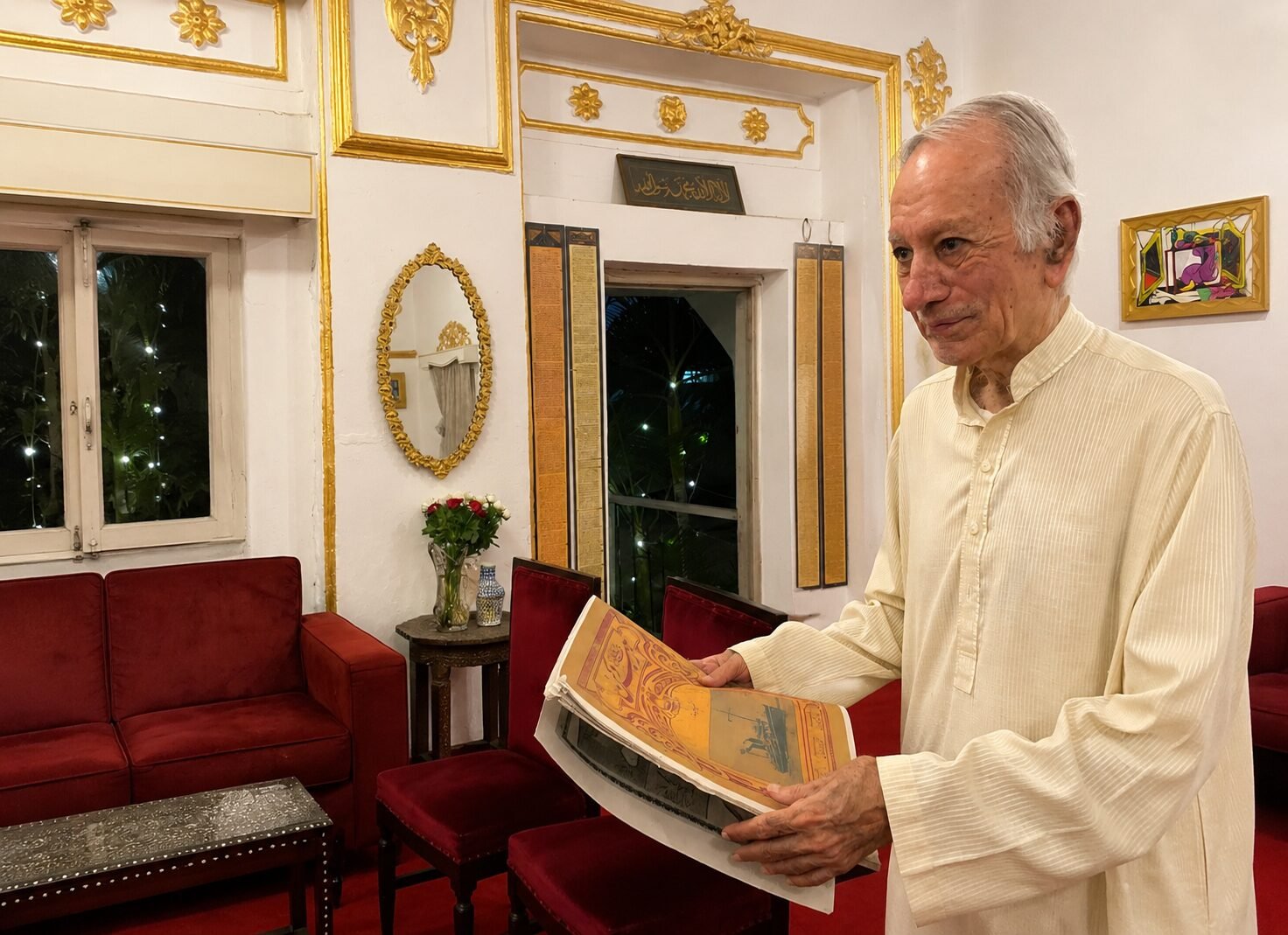
Syed Siraj Akbar recalls the story of his father whose vision and compassion transformed one of the city’s premier institutions
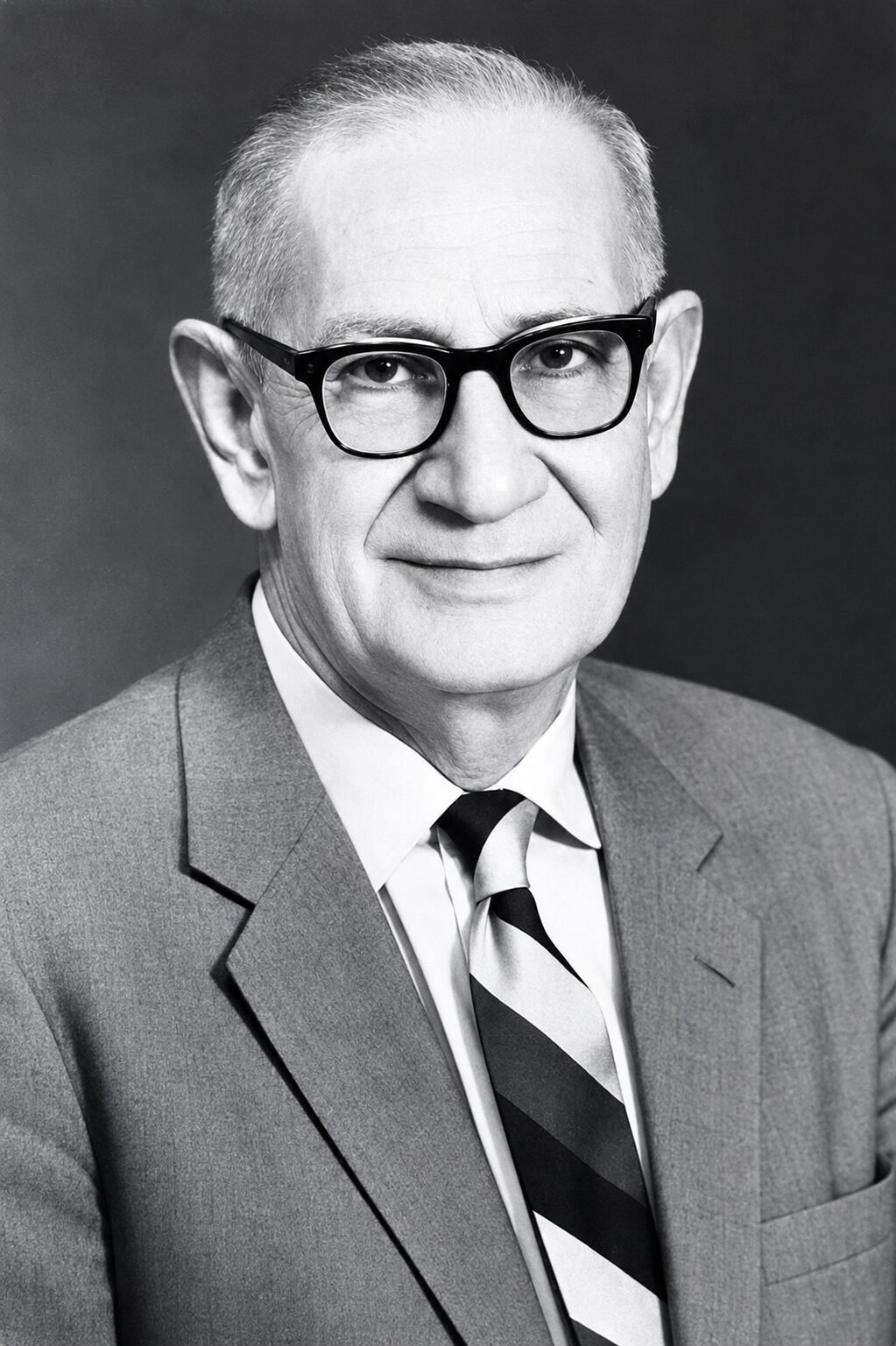
(RAHNUMA) When Syed Ali Akbar retired as Director of Public Instruction (DPI) in 1947, his distinguished career in education might well have come to a close. Instead, what followed would become one of the most significant chapters of his life and one that would leave a lasting imprint on the educational landscape of Hyderabad.
Upon his retirement, he was appointed Principal of the newly formed Osmania Evening College, where he served for two years. Soon thereafter, the Secretary of the Anwar-ul-Uloom Society approached him with a request that would define the next phase of his career. The Society was in the process of establishing the Anwar-ul-Uloom College of Arts and Commerce at Mallepally, approximately five kilometres from the family home, and sought his leadership to guide the institution through its formative years.
Syed Ali Akbar accepted the offer.
At the time, the college was still under construction. As Principal, he immersed himself completely in the task of bringing the institution into existence. According to his son, Syed Siraj Akbar, he went “headlong into completion of the college building and infrastructure.”
Within two years, the construction and development work had been completed. The institution continued to expand under his stewardship. An Evening College was established and a Science stream was added, broadening the opportunities available to students and helping the college grow into a comprehensive educational institution.
Under his leadership, Anwar-ul-Uloom College soon emerged as one of the premier educational institutions in Hyderabad.
His reputation extended far beyond the walls of the college. At one Annual Day function, the Chief Guest, Dr. D. S. Reddy, then Vice-Chancellor of Osmania University, offered a remark that would long be remembered by those present.
“I am not aware of any AU College,” he said, referring to Anwar-ul-Uloom College. “But I am well aware of an AA College.”
The audience immediately understood the reference. The “AA” was none other than Ali Akbar himself.
The comment spoke volumes about the esteem in which he was held within university circles. Such was his standing in the academic community that he was subsequently appointed a member of the prestigious University Council responsible for the selection of principals for colleges affiliated with Osmania University.
Yet despite his achievements and advancing age, Syed Ali Akbar never slowed down.
Even in his seventies, he maintained a strict and disciplined routine. Every morning, he would leave for college promptly at nine o’clock. If, on any given day, the chauffeur failed to report for duty, he would simply take a bicycle and make the journey himself, despite the earnest objections and pleadings of his wife.
One incident from those years remained deeply etched in the memory of his family.
On a particular day, Syed Ali Akbar left for college on a bicycle carrying with him 200 M.A. Political Science answer scripts. He intended to evaluate them during his leisure hours. After returning home and completing the assessment of the papers, he sat down to enter the marks into the official marks sheet.
To his horror, two answer scripts were missing.
For a man whose professional reputation was beyond reproach, the discovery was devastating. He feared that if the missing papers could not be located, it would not only tarnish his impeccable standing but might also invite formal strictures from the university.
Convinced that the scripts may have fallen somewhere during his bicycle journey, his son retraced the entire route from home to the college in the hope of finding them. The search proved unsuccessful.
Meanwhile, his wife and daughter, Sabiha Jafri, searched every place in the house and every location frequented by him, but the papers remained missing.
As concern turned into desperation, his wife asked where he usually kept such documents. Syed Ali Akbar pointed towards a shelf in his writing table.
Opening the shelf, she carefully examined its corners and upper surfaces with her fingers. To everyone’s astonishment, the two missing answer scripts suddenly dropped into her hands.
The family stood dumbfounded.
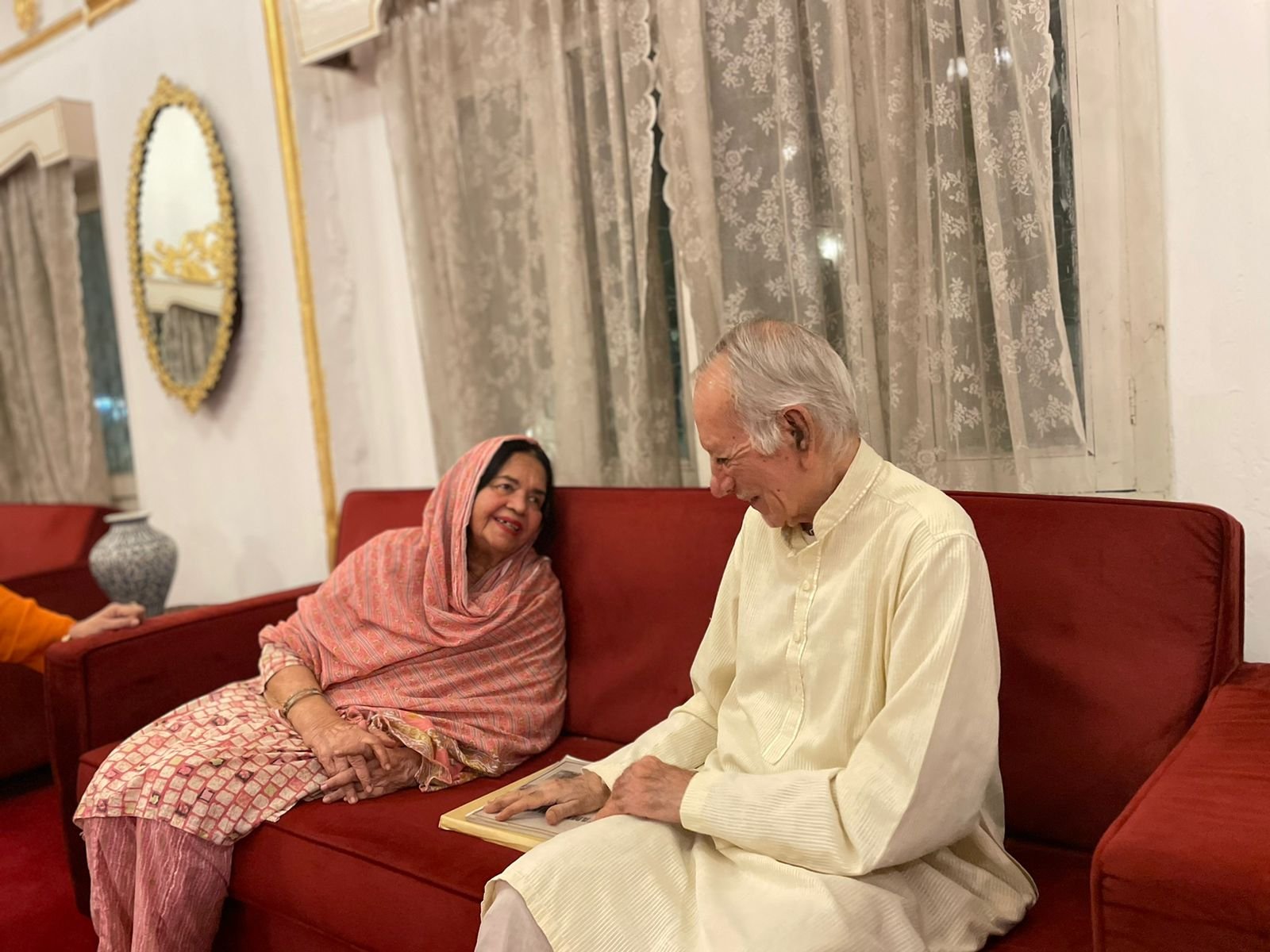
Syed Ali Akbar, however, was beaming with relief. According to the recollection of his son, he praised his wife’s “magical instinct” for having found the papers and bringing an end to an ordeal that had severely frayed his nerves.
By the time he reached the age of seventy-seven, Syed Ali Akbar felt that the institution required younger hands to guide it into the future.
A new administrative structure was introduced. Nawab Shah Alam Khan Sahab was selected as Chairman of the Board and was supported by a Principal who would oversee the day-to-day functioning of the college and plan its future expansion.
In recognition of Syed Ali Akbar’s immense contribution to the institution, a large hall within the college was named in his honour.
Years later, however, an incident occurred that would unexpectedly remind many of the foundations upon which Anwar-ul-Uloom College had been built.
At an Annual Day function, the Education Minister—himself a former student of the college—was invited as Chief Guest. Speaker after speaker rose to praise the contributions of Nawab Shah Alam Khan Sahab to the institution’s development. Yet, according to Syed Siraj Akbar’s recollection, no mention was made of the services rendered by his father.
When the Minister’s turn came to speak, he chose a different path.
He recounted how, as a student, he had once been found asleep in class by Syed Ali Akbar. Rather than reprimanding him, the Principal had called him into his office and asked about his circumstances.
The student explained that he travelled daily from Dhoolpet, a distance of approximately ten kilometres, on a bicycle. The journey often left him exhausted and, on occasion, unable to stay awake during lectures.
Upon hearing this, Syed Ali Akbar responded with sympathy rather than punishment.
According to the Minister’s recollection, the Principal not only expressed understanding but also arranged for several books to be issued to him from the college library and exempted him from paying college fees for the following term.
For those in attendance, the story served as a powerful reminder that institutions are not built by buildings alone. They are built by the men and women who shape lives, recognise potential and extend kindness when it is needed most.
For Syed Siraj Akbar, the Minister’s recollection was more than a tribute to his father. It was a public acknowledgement of a man whose vision, discipline, compassion and leadership helped transform a newly established college in Mallepally into one of Hyderabad’s most respected educational institutions.