LONDON(RAHNUMA): The memorandum of understanding signed between the US and Iran must not obscure the human rights situation in the Middle Eastern country, 13 UN experts have warned.
They welcomed the signing of the MoU but added that it fails to take human rights into account.
It “focuses almost entirely on military withdrawal, the reopening of the Strait of Hormuz, nuclear commitments, sanctions relief and a $300 billion reconstruction fund,” they said in a statement.
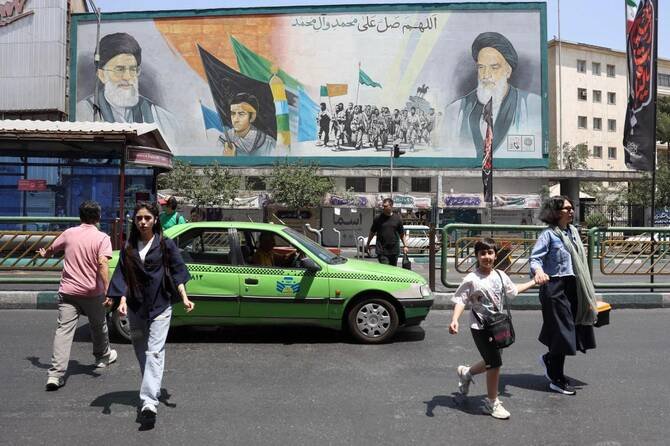
“The Iranian people — who have suffered enormously from both external military aggression and internal repression — are barely visible in this framework.”
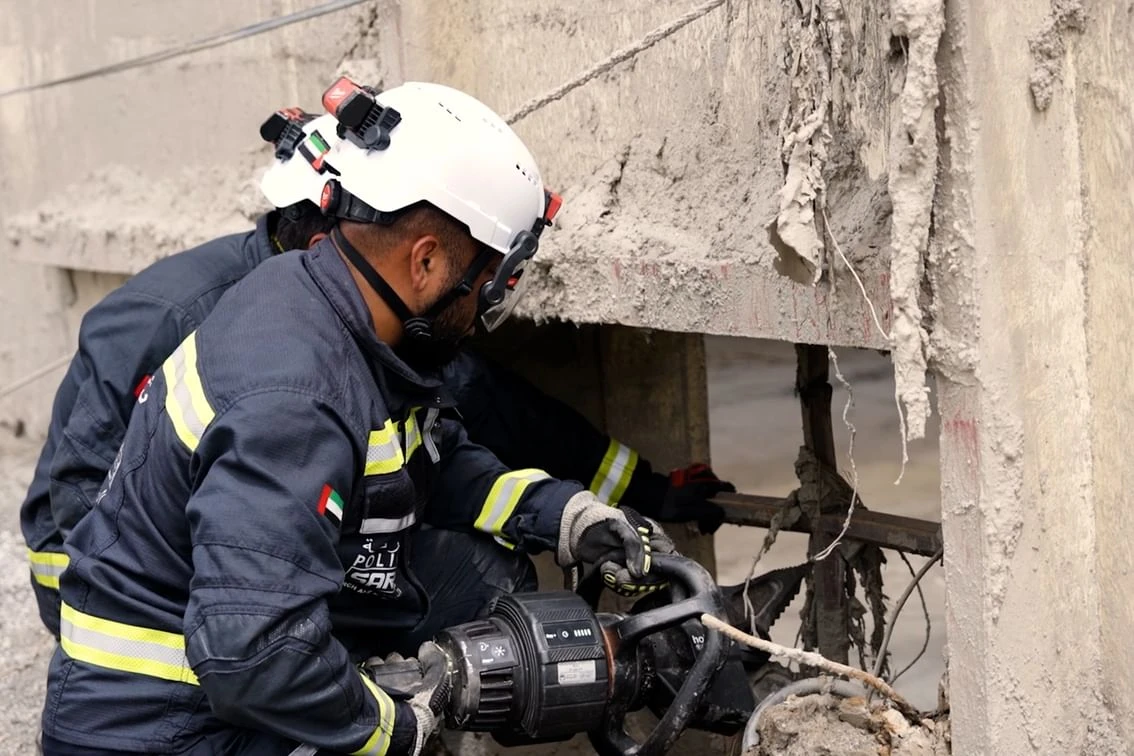
The conflict has caused widespread damage across Iran and led to thousands of fatalities. Infrastructure has been particularly affected, with US and Israeli strikes hitting hospitals, schools and religious buildings.
The UN experts highlighted that the situation inside Iran had already been precarious for many people before the war due to reprisals against anti-regime protesters and the presence of a large number of refugees from Afghanistan.
“Since the war began in late February, Iranian authorities have moved aggressively against dissent. Thousands have been detained, with many reportedly tortured, forcibly disappeared, subjected to mock executions or forced to confess on camera. At least 156 individuals have been executed since the war began,” said the group, which includes Mai Sato, UN special rapporteur on human rights in Iran.
“The human cost has been compounded by severe economic harm in Iran, as well as in the region and globally.”
The group pointed out that at least 42 people have been executed by the regime since the outbreak of hostilities on espionage grounds, which relied on confessions obtained by torture.
Access to legal counsel for them and many others detained on similar charges remains restricted, while around 1,500 Iranians have had their assets seized.
Access to the internet has also been heavily suppressed since the start of the war, devastating numerous businesses and severely limiting communication with the outside world. Unemployment has increased markedly and inflation has reached 115 percent.
The experts welcomed the announcement of the $300 billion reconstruction fund, but warned that it needs to be used to help ordinary Iranians.
“A deal that serves geopolitical interests while leaving the Iranian people behind is not a peace agreement worthy of the name,” they said.
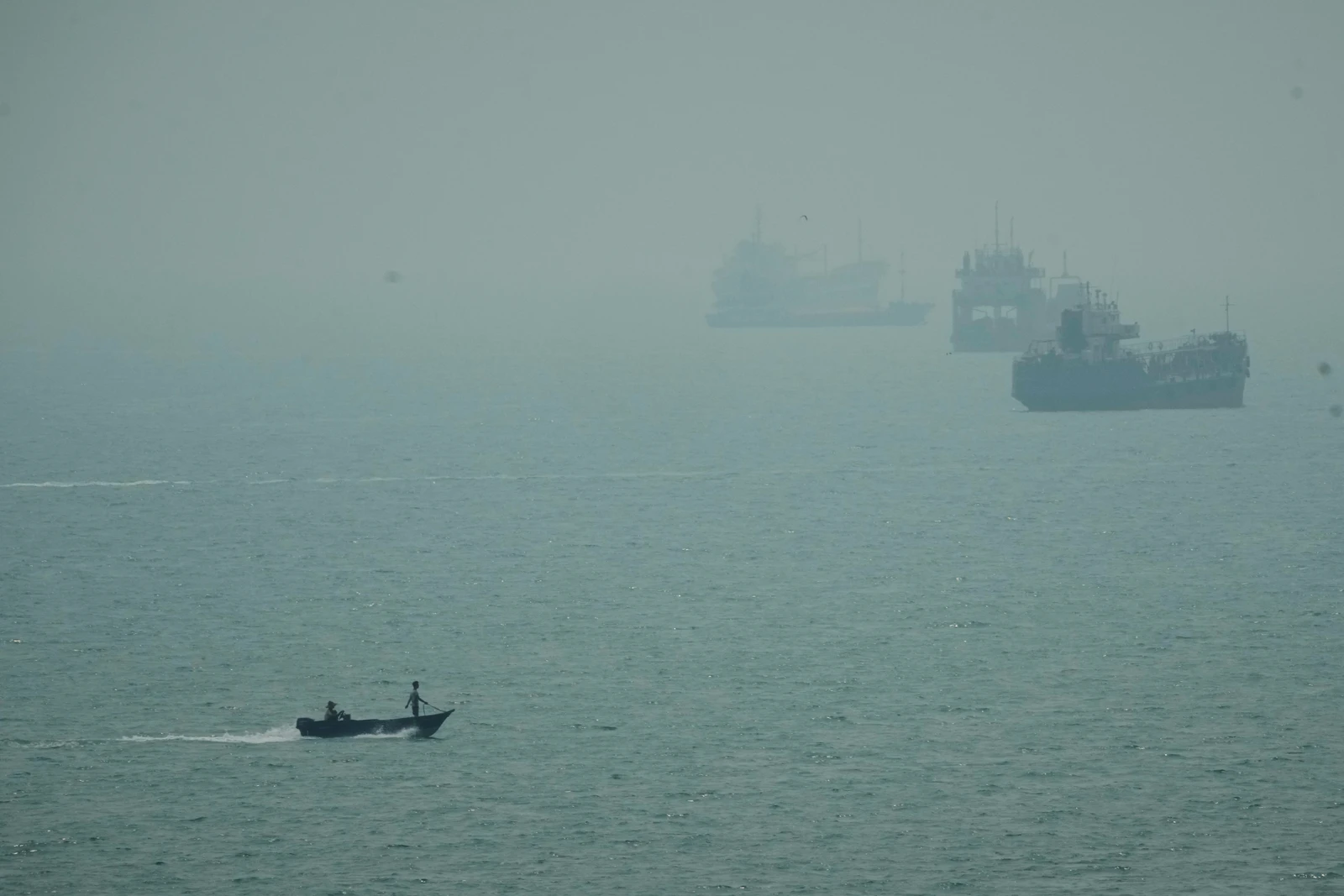
“The reopening the Strait of Hormuz merely restores what existed before this war began. The bar must be far higher than a return to the status quo.
“The voices of Iranians — millions of whom took to the streets demanding fundamental change — must be heard in any negotiation that claims to secure their future.”
The group called for the final deal to address the human rights of ordinary Iranians, including a demand for a moratorium on executions of political prisoners and the release of those in detention without charge.