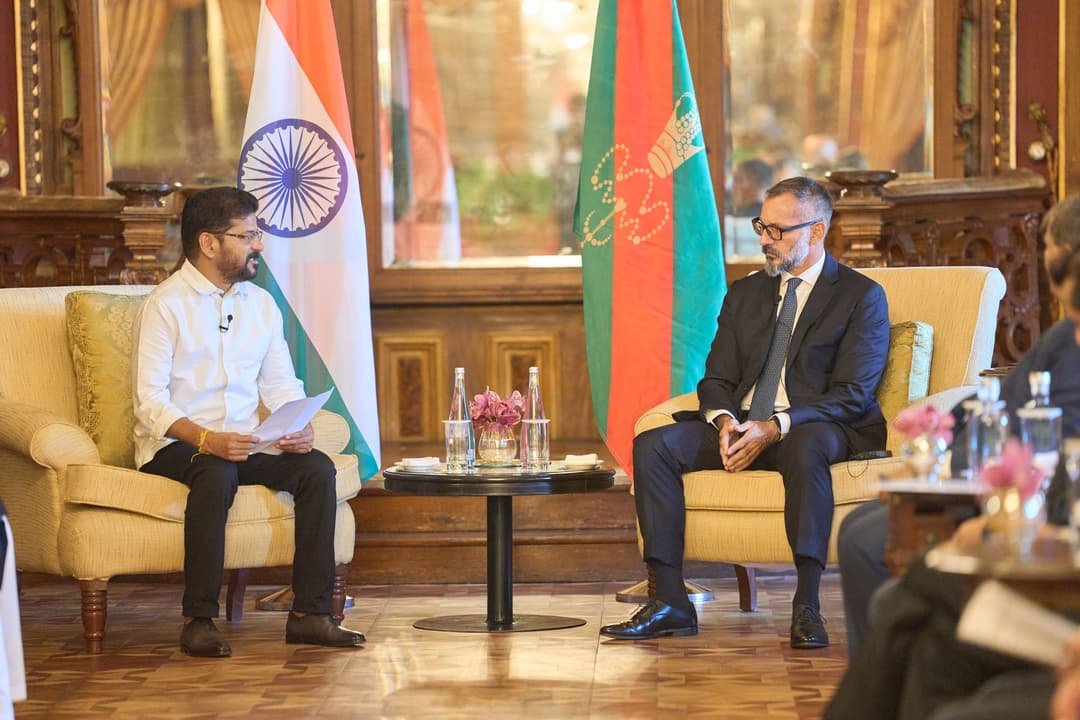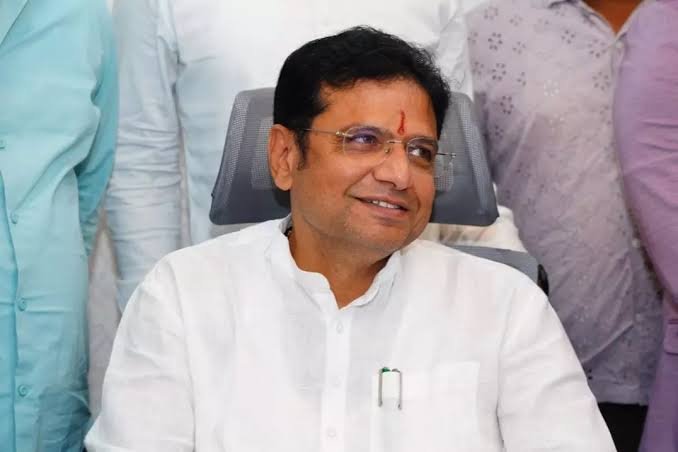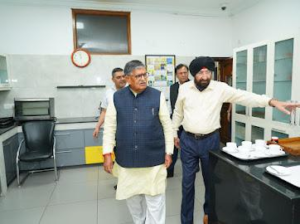
Chandigarh, Aug 7 (IANS) A delegation from the Petroleum and Natural Gas Regulatory Board (PNGRB), led by its Chairperson, Anil Kumar Jain and including Director, Monitoring, Lt. Col. Kumar Abhishek, Director (Monitoring), held a meeting with the Punjab Governor and Union Territory Adminstrator, Gulab Chand Kataria, on Friday on expanding the City Gas Distribution network for a cleaner and more sustainable Chandigarh.
The high-level meeting focused on reviewing the expansion of the City Gas Distribution network and addressing key operational bottlenecks to accelerate the adoption of clean and convenient natural gas across the region.
Following the meeting, the Governor formally inaugurated Piped Natural Gas (PNG) supply at Raj Bhavan, marking a significant milestone in Chandigarh’s transition towards cleaner energy and setting an example for sustainable energy adoption across the Union Territory.
The government has been expanding PNG connections in other cities as well to reduce dependence on LPG amid the West Asia crisis.
Close to 5 lakh new PNG connections have been gasified as consumers have switched from LPG to natural gas for cooking, and over 5.1 lakh additional customers have registered for new connections since March this year.
Citizens have been encouraged to use alternative fuels such as PNG and electric or induction cooktops. All citizens are urged to conserve energy in their daily use during the current situation.
The PNGRB has proposed a new tariff policy for long-distance pipelines to provide for charging lower rates to city gas entities that sell CNG for vehicles and piped cooking gas to households.
The PNGRB regulates the transmission tariffs for natural gas pipelines, and these are fixed to provide a 12 per cent return on capital employed. These tariffs, traditionally, were apportioned along the length of the pipeline and increased as one travelled further from the gas source. This resulted in higher tariffs for consumers located at a longer distance from the source. To resolve the distance-related dislocation in the pricing of natural gas, a unified tariff for all consumers connected to the natural gas grid was proposed in November 2020 and implemented from April 1, 2023.