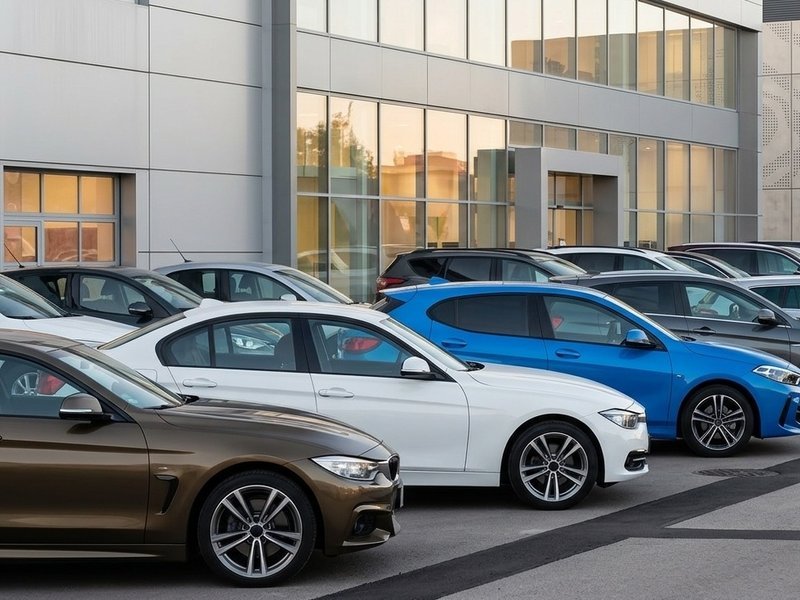
New Delhi, Nov 10 (IANS): Passenger vehicle companies’ shares offer a more favourable risk-reward profile than two-wheeler manufacturers as tightening rural credit conditions and growing stress in farm-dependent regions could weigh on demand for entry-level vehicles over the coming quarters, according to a report. In a report by BofA, analysts turned more constructive on passenger vehicle makers than on two-wheeler manufacturers, citing rising risks from rural stress and tighter lending conditions that could weigh on vehicle demand in the coming quarters. In a recent note, the brokerage said passenger vehicle demand is relatively insulated from financing pressures as buyers typically rely on banks for funding and carry lower loan repayment risks compared with rural-focused segments.
While overall automobile demand remains healthy, BofA warned that uneven rainfall, declining reservoir levels, higher farm input costs and stretched affordability could dampen consumption trends in rural markets. The brokerage said Maharashtra, Andhra Pradesh, Odisha, Karnataka and Madhya Pradesh together account for around 35 per cent-40 per cent of industry vehicle volumes. Some non-bank finance companies have already tightened lending norms in rainfall-deficient regions, raising concerns about access to credit in key markets. BofA maintained buy ratings on leading four-wheeler companies’ stocks, arguing that they offer a more favourable risk-reward profile under the current environment.
Among auto segments, tractors face the greatest near-term risk, with industry volumes already showing signs of weakness. Two-wheelers are also vulnerable because rural markets account for more than 55 per cent of sales, while non-bank lenders provide nearly 70 per cent of financing for purchases, the brokerage said. BofA pointed to recent lending adjustments by several financiers, including tighter credit assessments in select regions and districts facing agricultural stress. Although festive-season registration data has not yet indicated a broad-based slowdown in two-wheeler demand, the brokerage noted signs of weakness in some states.
Registrations declined in Madhya Pradesh and Odisha, while growth remained largely flat in Karnataka and Rajasthan. The brokerage also cautioned that year-on-year comparisons are likely to become more challenging in the second half, potentially putting additional pressure on industry growth rates. Among listed two-wheeler manufacturers, Hero MotoCorp appears the most exposed due to its heavy reliance on rural demand and limited export diversification. Eicher Motors also has meaningful rural exposure, though its premium customer base offers some protection.