New Delhi, March 26 (IANS) India came out strongly on Thursday for WTO reforms to be carried out through a transparent, inclusive and member-driven process that keeps the special rights of developing countries at its core in accordance with the foundational principles and objectives of the multilateral organisation.
Commerce Minister Piyush Goyal, in his address at the WTO ministerial conference in Cameroon, said that the WTO reforms must be centred around development and focus mainly on non-discrimination and consensus-based decision-making that assures equity.
He said that the provisions for Special and Differential Treatment provisions within WTO agreements that accord special rights to developing countries and allow other members to treat them more favourably, “should be precise, effective and operational”.
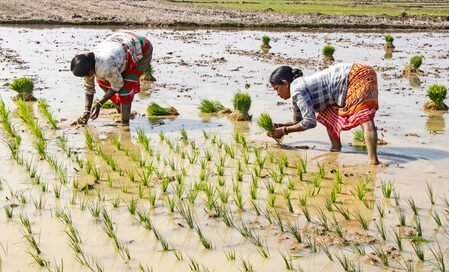
“Agriculture is critical to the livelihoods of millions. For the Global South, a permanent solution on public stockholding for food security purposes, a special safeguard mechanism, and cotton are long-pending mandated issues. We must deliver on them on priority,” Goyal said.
India remains committed to negotiating a comprehensive Fisheries Subsidies Agreement that balances current and future fishing needs, protects the livelihoods of poor fishers, with appropriate and effective Special and Differential Treatment (S&DT), he further stated.
“The past mandates should be delivered on priority. A dysfunctional Dispute Settlement system has deprived members from effective redressal. We must restore the automatic and binding dispute settlement system,” the minister said.
He further stated that the incorporation of plurilateral outcomes into the WTO framework should be based on consensus and not impair existing rights of non-parties or cast additional obligations on them.
Goyal also said that in the absence of a common understanding among members on the scope of the moratorium on customs duties on electronic transmissions, and given its potentially significant implications, the continued extension of this moratorium warrants careful reconsideration.
He highlighted that, guided by Prime Minister Narendra Modi at the recent Global AI Impact Summit, India believes that emerging technologies must serve ‘Sarvajan Hitaya, Sarvajan Sukhaya’ (welfare for all and happiness of all). The multilateral trading system must also ensure that innovation, development and opportunity are shared equitably among members.
Goyal underscored the need to engage constructively to show that the WTO remains central to global trade and strives to reform it so that it remains responsive, performs in delivering on development, equity, and inclusiveness, and transforms the system to better serve the interests of the poor, vulnerable, and marginalised people, anchored in consensus and multilateralism.