Washington, March 12 (IANS) Indian students studying in the US were praised on Thursday during a Senate hearing on foreign influence in American universities, even as lawmakers raised concerns about China’s research ties and funding of US campuses.
At a Senate Health, Education, Labour, and Pensions Committee hearing on “Transparency and Trust: Exposing Malign Foreign Influence in Higher Education”, lawmakers examined how foreign funding and academic partnerships could affect national security.
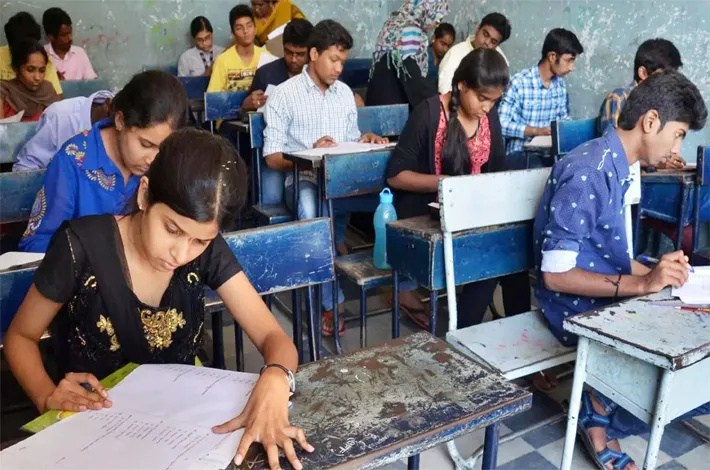
During the hearing, Peter Wood, National Association of Scholars President, said that Indian students — the largest group of international students in the United States — have not raised security concerns.
“The largest percentage of international students studying in the United States comes from India,” Wood said.
“Nobody to my knowledge has raised questions that Indian students coming to the United States pose a security risk.”
The hearing focused largely on concerns about China’s influence in American universities.
Committee Chairman Senator Bill Cassidy said US universities are a key national asset, but their openness can be exploited.
“Our country has the best universities in the world and major breakthroughs in cancer research, artificial intelligence, military technology, biomedical engineering, and more happen at our universities,” Cassidy added.
He also highlighted the scale of foreign funding entering US campuses.
“As much as $9.7 billion in foreign gifts and contracts were reported last year,” Cassidy said, adding: “But that only accounts for dollars that have been reported.”
Craig Singleton, a senior fellow at the Foundation for Defense of Democracies, warned that foreign governments see American universities as strategic targets.
“US universities anchor the world’s most dynamic research environment,” Singleton said.
“At the same time, those strengths have made American universities attractive targets for exploitation by foreign adversaries, especially China.”
According to federal data cited during the hearing, China has contributed about $6.8 billion in gifts and contracts to US universities over time.
Singleton said that government records also show nearly $400 million in transactions involving entities that appear on US government watch lists or restricted entity lists.
“These include firms tied to export control violations, national security concerns, and China’s military-civil fusion program,” he added.
Several Senators said the United States must protect sensitive research while remaining open to global talent.
Senator Tim Kaine said international students contribute heavily to the US economy.
“In academic year 2023–24, international students contributed about $44 billion to the American economy,” Kaine added.
He warned that policies perceived as hostile could discourage talented students from studying in the United States.
“How do we find the balance of protecting the security and the way you want to, but continuing to maintain the position of the United States as the magnet for the most talented people in the world?” Kaine said.
Robert Daley of the Asia Society said that cooperation between universities and government agencies has strengthened oversight in recent years.
“American universities have taken on Washington’s concerns, and they now work diligently and at considerable expense to anticipate and counter the actions of countries of concern,” Daley added.
Lawmakers are considering measures to tighten disclosure requirements for foreign funding under Section 117 of the Higher Education Act.