Lucknow, Dec 2 (IANS) Uttar Pradesh government took a significant step towards strengthening the healthcare system on Tuesday, sanctioning an amount of Rs 9.80 crore for the installation of modern medical equipment in 14 government hospitals across the state.
The move lays special emphasis on the districts, where the availability of modern healthcare facilities and diagnostic equipment is limited.
This will benefit the patients in rural and backward areas, allowing them to receive affordable, modern, and prompt treatment in their own districts and also expected to reduce the burden on Super-Speciality hospitals in major cities.
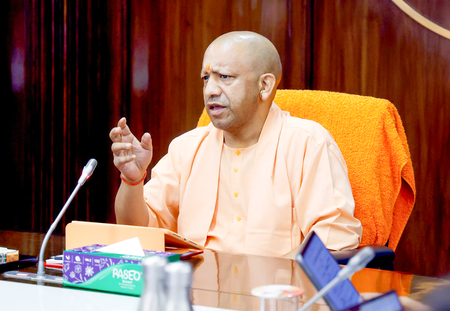
Chief Minister Yogi Adityanath approved an amount of Rs 9.8 crore specifically for the purchase of modern equipment and modernisation of health services in 14 districts.
Of this amount, Rs 2.70 crore has been allocated to Ramsagar Mishra Joint Hospital, Sadhamau BKT, Rs 1.52 crore to District Women’s Hospital, Balrampur, Rs 1.56 crore to District Hospital, Rae Bareli, and Rs 1.16 crore to District Joint Hospital, Maharajganj. Rs 28.55 lakh has been approved for District Joint Hospital, Baghpat, Rs 3.35 lakh for Diwan Shatrughan Singh Joint Hospital, Hamirpur, Rs 8.68 lakh for Women’s Hospital, Harraiya, Basti, and Rs 38.96 lakh for Dr Bhimrao Ambedkar Joint District Hospital, Etawah.
This funding will be spent primarily on the purchase of health-related equipment, diagnostic machines, and the development of essential health facilities.
The greatest benefits of this investment will be seen at the local level. The installation of diagnostic equipment in district hospitals will reduce the time for medical test and their results, providing patients with affordable and rapid treatment. CT scans, X-rays, and other advanced equipment will enable immediate diagnosis of serious cases like cancer or heart disease, reducing referrals.
This initiative is part of the Yogi Adityanath government’s health policy, under the vision ‘Viksit UP 2047’, under which it aims to develop healthcare facilities in every district, lagging behind on health parameters.
It will also play a crucial role in developing healthcare facilities, in accordance with the WHO standards.