(RAHNUMA) Newly unsealed documents connected to the case of Jeffrey Epstein have revealed an unsettling episode involving the transfer of sacred Islamic artefacts, including fragments of the Kaaba’s kiswa, from Makkah to Epstein in the United States, allegedly facilitated through contacts linked to the United Arab Emirates.
According to investigative reporting based on U.S. Department of Justice files unsealed in recent disclosures, Epstein received three pieces of cloth associated with the Kaaba in 2017. The shipment was routed through intermediaries in the Gulf and described on customs paperwork as “artwork,” enabling it to pass through international freight channels without attracting attention.
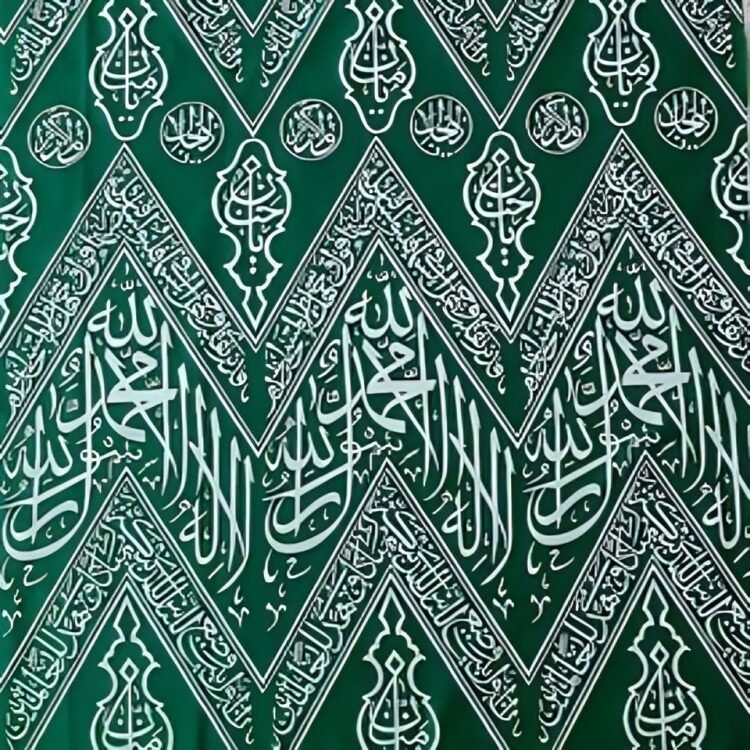
Correspondence cited in the files indicates that those involved were conscious of the cloth’s religious significance. In accompanying messages, the kiswa fragments were described as having been touched by millions of pilgrims during tawaf, emphasising their spiritual weight within Islam. Despite this awareness, the items were allegedly shipped to Epstein’s private residence in the United States Virgin Islands.
The kiswa, which is replaced annually during the Hajj pilgrimage, is traditionally handled under strict custodial norms. While limited portions may be distributed after replacement, this is generally confined to official, diplomatic, or institutional contexts. The transfer of such material to a private individual with no religious or custodial standing has therefore raised profound ethical and religious concerns.
Documentation included in the files reportedly confirms receipt of the shipment, with invoices and delivery records showing coordination by Epstein’s associates in the United States.
Reaction to the revelations has been marked by shock and outrage, particularly among Muslim communities worldwide.