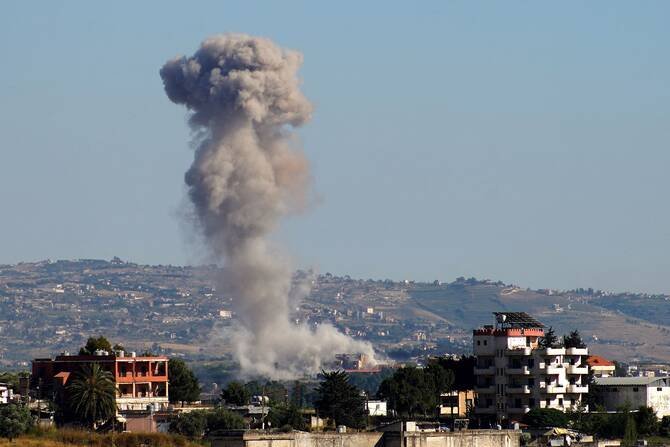
LONDON(RAHNUMA): Humanitarian organization Action For Humanity has welcomed reports of a ceasefire agreement in Lebanon while warning that any truce must translate into tangible improvements for civilians affected by months of conflict.
The UK-based charity said on Thursday the agreement should provide genuine protection for civilians, allow humanitarian agencies unrestricted access to affected communities, and create conditions for displaced families to return home.
The organization said previous ceasefire arrangements had failed to prevent continued violence and civilian suffering, and stressed that the latest agreement would need to be fully implemented to have a meaningful impact on the ground.
According to AFH, more than 1.3 million people, which is about 20 percent of Lebanon’s population, have been displaced during the conflict, while thousands of homes and key pieces of civilian infrastructure have been damaged or destroyed.
The organization said humanitarian needs remained significant across the country, particularly among families living in temporary shelters.
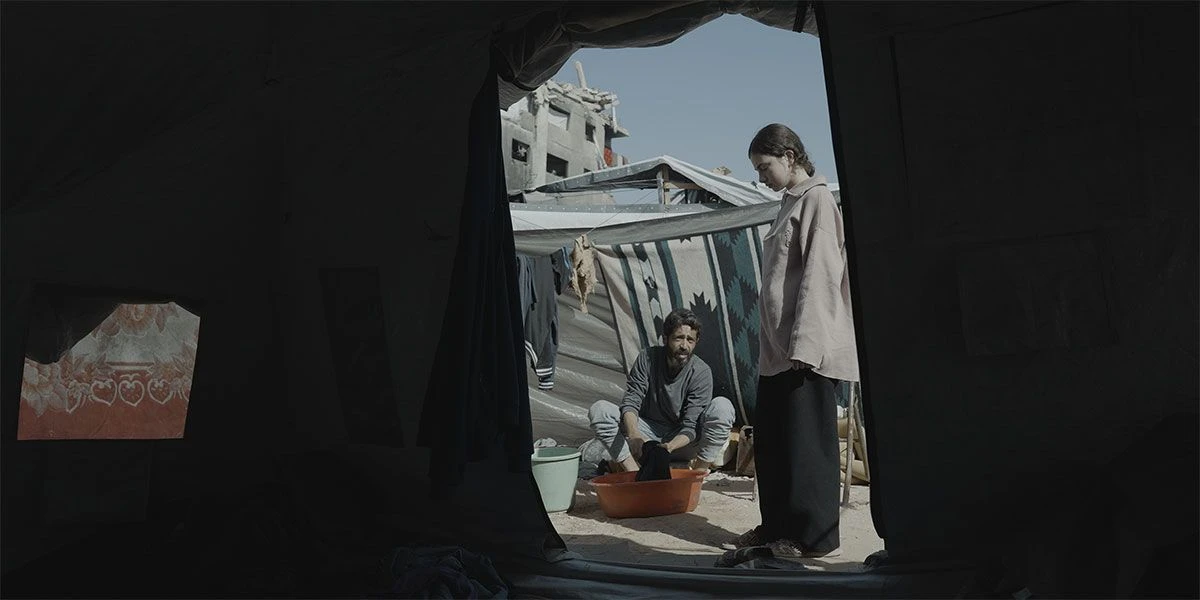
“Displacement is seen everywhere. You can’t walk down a street without seeing families who’ve lost everything,” said Inam Malik, an AFH aid worker who has recently returned from Lebanon.
“Many of the shelters are schools, now packed far beyond capacity. The humanitarian structures just aren’t able to keep up.”
AFH said it continued to provide food assistance and community support programs in Lebanon. The organization said it had assisted more than 12,600 people in Ramadan and distributed more than 12,500 hot meals.
It added that a sustained ceasefire could allow humanitarian organizations to expand operations and support longer-term recovery efforts, but warned that rebuilding communities would require continued international assistance.
The organization also called on governments to support efforts aimed at securing a lasting end to hostilities and ensuring compliance with international law.
Lebanon has faced repeated cycles of conflict and economic hardship in recent years, placing increasing pressure on humanitarian agencies operating in the country.