Gujarat: Ahmedabad civic body suspends sale of 40,500 kg of mawa worth Rs 60.75 lakh ahead of Diwali

© Provided by The Rahnuma Daily

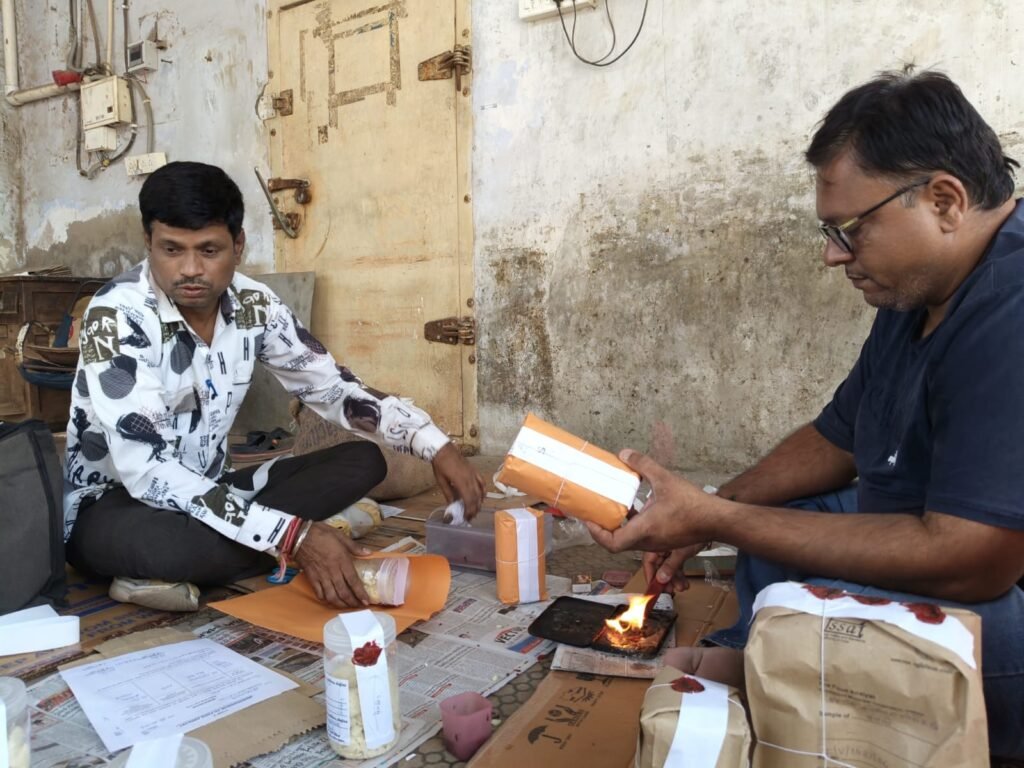
Rahnuma:Gujarat: Ahmedabad civic body suspends sale of 40,500 kg of mawa worth Rs 60.75 lakh ahead of Diwali Ahmedabad, Oct 28 (IANS) The Ahmedabad Municipal Corporation (AMC) has suspended the sale of 40,500 kg of mawa, worth an estimated Rs 60.75 lakh, stored at a cold storage facility in the Gomtipur area after finding that the stock did not carry batch numbers or expiry dates during inspections ahead of the Diwali festival. The civic body’s Health and Food Department inspected the facility as part of its drive to check the quality and safety of food products amid a seasonal rise in demand for sweets. The cold storage facility held approximately 1,02,000 kg of mawa belonging to around 60 vendors, with nearly 80 per cent of the stock attributed to 15 major suppliers. The largest quantity was found to belong to Radhika Food Products, which had stored 1,380 bags of 30 kg each under the brand names Rajwadi Sweet (Bajrangi) and Indian Dessert (Nilkanth). The civic body said the stock, totalling 40,500 kg, had been withheld from sale because the batch numbers and expiry dates were not mentioned. The department estimated its market value at Rs 60.75 lakh.

The department also collected six samples of mawa under the Food Safety and Standards Act, 2006, from the firms of Hasmukhbhai Mavawala, Tulsi Mawa Centre, Rajwadi Sweet (Bajrangi), Indian Dessert (Nilkanth), Purohit Mavawala and S K Mavawala. The samples have been sent to the Public Health Laboratory for testing. The AMC said samples from other vendors would be collected in their presence. The inspections come amid concerns over the ingredients used in sweets sold during the festive season. The department highlighted the distinction between mawa, also known as khoya, and ready-made sweets such as barfi, which may contain sugar and other ingredients depending on the recipe. Mawa is produced by partially removing water from milk

. The civic body noted that “using ready-made sweets instead of mawa to prepare pedas or other products could change their ingredients, sweetness and taste”. It also cautioned that selling a sweet as a mawa-based product when mawa has not been used could mislead consumers about its composition. Officials referred to provisions of the Food Safety and Standards Act, 2006, including Sections 26, 50 and 52, which deal with food business operators’ responsibilities, the sale of food that differs from what a customer has requested, and misbranded food. “Action against a particular shop or product should be based on relevant details and the necessary investigation rather than suspicion alone,” they added. The AMC said inspections and sample collection would continue during the festive season. Establishments found violating food safety requirements could face penalties or sealing under the Act and applicable rules and regulations. –IANS mys/dan

share it
Facebook
Twitter
LinkedIn
WhatsApp

Leave a Reply

Your email address will not be published. Required fields are marked *


Latest Post

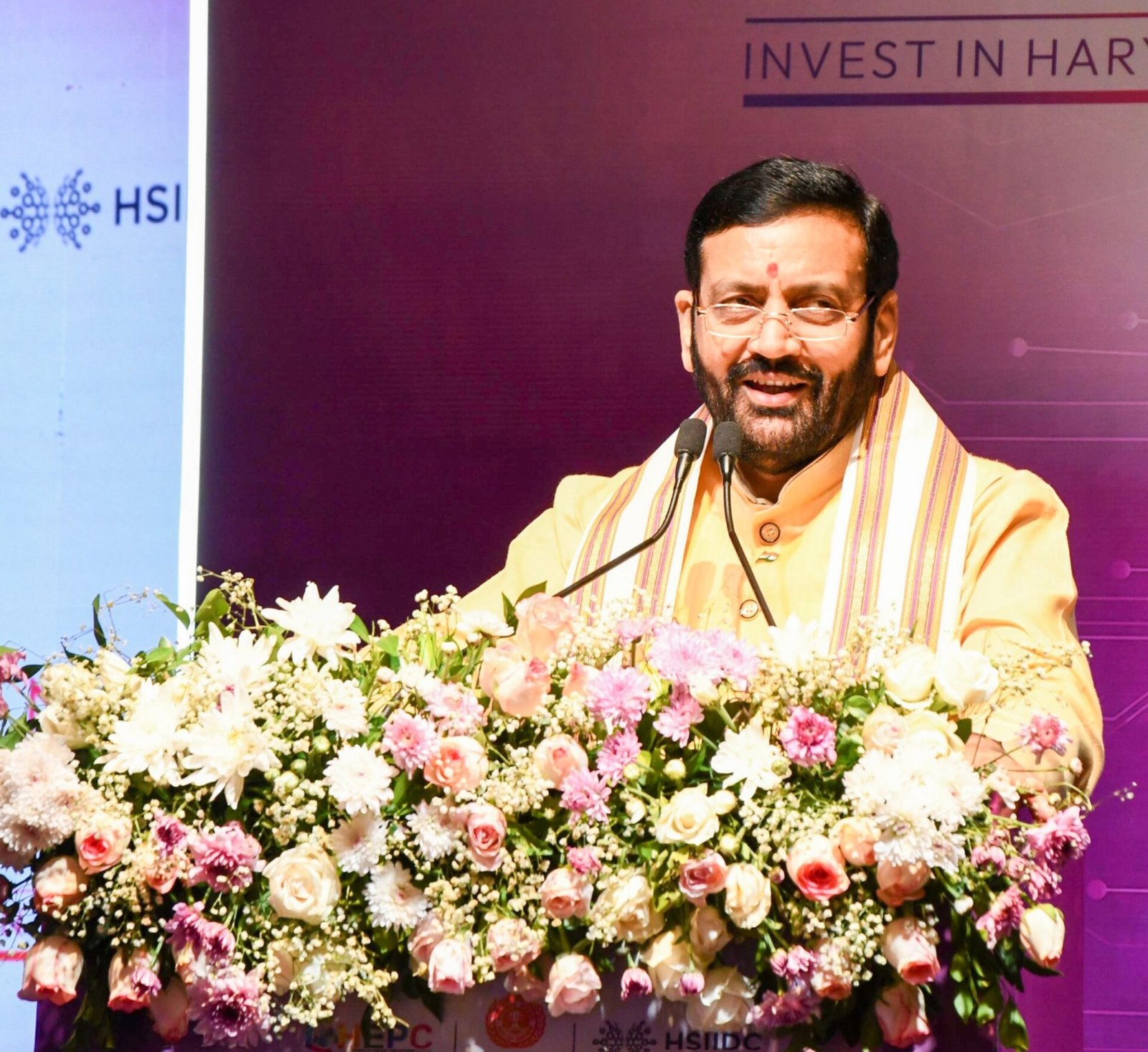
Haryana CM secures investment proposals worth over Rs 50,000 crore during Gujarat visit Gandhinagar, Oct 28 (IANS) Haryana has secured investment proposals worth more than Rs 50,000 crore during Chief Minister Nayab Singh Saini’s two-day visit to Gujarat, with proposed investments spanning defence, real estate, oil and gas, semiconductors, agriculture and food processing. The proposals followed meetings with industrialists and investors in Gujarat, where Saini sought to attract businesses to expand their operations in Haryana. The agreements include proposals worth around Rs 25,000 crore across the defence, real estate, and oil and gas sectors, Rs 2,900 crore in semiconductors, and Rs 1,400 crore in agriculture and food processing. Memorandums of understanding (MoUs) were also signed for investments in compressed biogas and civil aviation. The proposals announced on Wednesday came a day after Haryana signed MoUs involving around Rs 12,000 crore in proposed investments on the first day of the visit. Those agreements covered defence textiles, technical textiles, industrial machinery, solar energy, cosmetics manufacturing and waste-to-energy projects. Saini held one-to-one meetings with business leaders and investors in Gandhinagar on Wednesday, accompanied by Industries and Commerce Minister Rao Narbir Singh. He invited companies to establish new units and expand their existing operations in Haryana, citing its industrial infrastructure, connectivity, skilled workforce and business environment. The Chief Minister said, “The government is committed to providing simpler procedures, digital facilities and necessary assistance in accordance with the rules to facilitate the establishment of industries and implementation of investment projects.” He said Haryana intended to contribute to Prime Minister Narendra Modi’s ‘Make in India’ initiative and work towards the goal of a developed India and a developed Haryana. The state government aimed to strengthen its position as a manufacturing and investment destination while generating employment and increasing economic growth. “Gujarat and Haryana had complementary industrial strengths and greater cooperation between businesses in the two states could create opportunities in investment, technological innovation, production and employment,” he said. He invited Gujarat-based industrialists to attend the Happening Haryana Global Investors Summit in April 2027. At an investor roadshow in Gandhinagar, the Chief Minister highlighted Haryana’s proximity to major markets, its industrial corridors and its access to airports in Delhi, Chandigarh and Noida. “Around 57 per cent of Haryana’s geographical area fell within the National Capital Region,” he said. The state has 56 industrial estates and is working towards developing MSME clusters across 143 blocks. Saini said the expansion of large industries could also benefit smaller businesses and local suppliers through opportunities in transport, packaging, maintenance, technical services and other ancillary activities. He also pointed to Gurugram’s corporate and technology ecosystem, which includes offices of more than 250 Fortune 500 companies, around 270 global capability centres and 19 unicorn companies. Automobile manufacturing, engineering, electronics, textiles, food processing, pharmaceuticals, logistics and warehousing were among the sectors he identified as having “further potential” for investment. The Chief Minister said: “Haryana is working to make industrial approvals simpler, transparent and time-bound, with necessary permissions and related services available through coordinated government mechanisms. The state is also seeking to ensure that eligible incentives and departmental support reach investors in accordance with established rules.” During the visit, Saini also met members of the Haryana diaspora in Surat and Ahmedabad. In Surat, he announced plans for a dedicated portal to register and address complaints from people from Haryana living outside the state. The government also moved towards establishing a Haryana Bhawan in Gujarat, along the lines of the facility in Maharashtra, to serve as a centre for cultural, social and administrative activities. Senior officials accompanying the Chief Minister included Chief Principal Secretary Rajesh Khullar, Industries and Commerce Department Commissioner and Secretary Amit Agrawal, Director General Yash Garg, and senior officials of the Haryana State Industrial and Infrastructure Development Corporation.
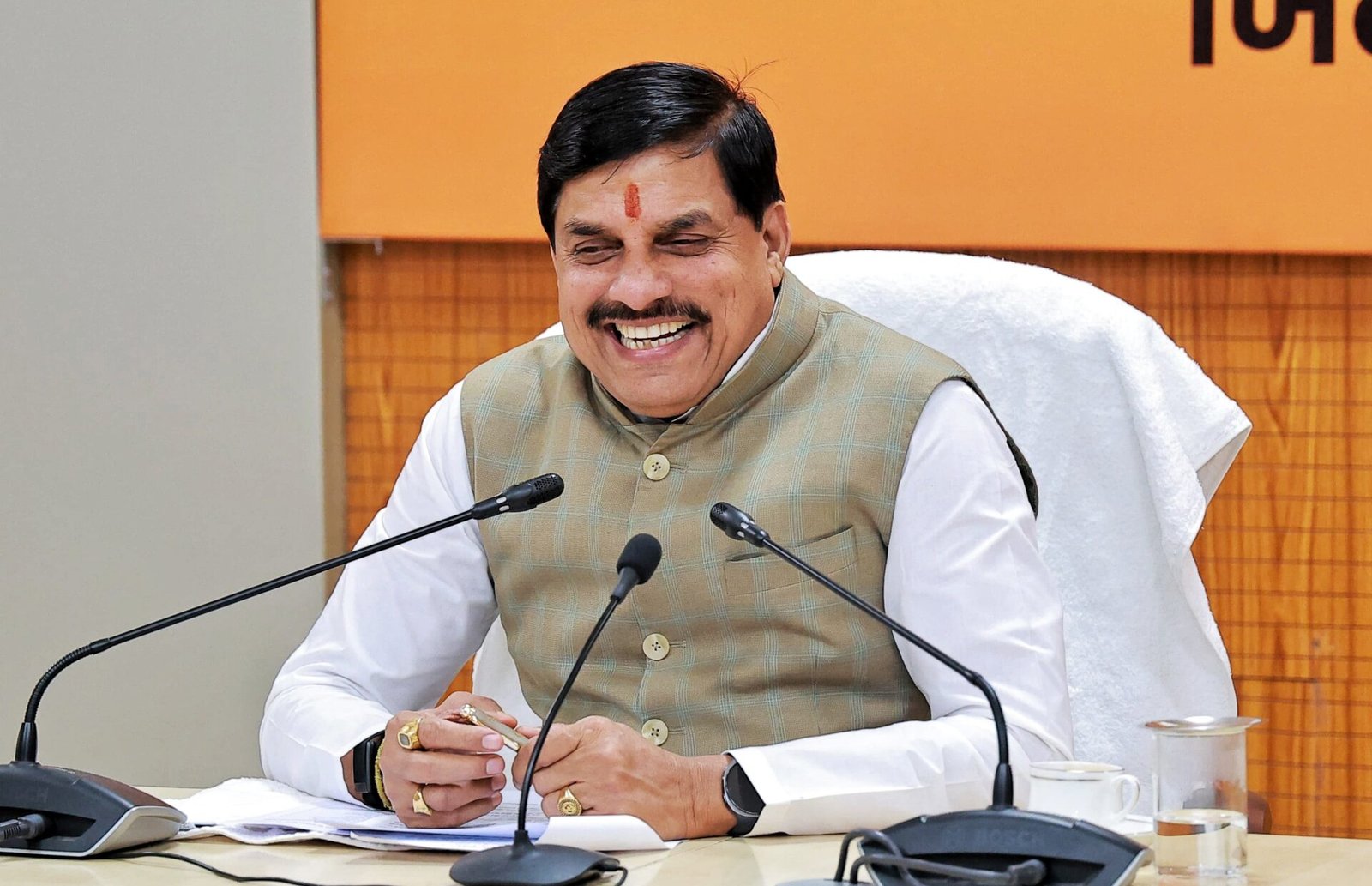
MP CM aims at 20 lakh jobs, new townships by 2047 Indore, Oct 28 (IANS) Chief Minister Mohan Yadav on Wednesday said the Madhya Pradesh government aims to create nearly 20 lakh job opportunities, develop 12 to 15 new townships and ensure planned urban expansion over 25,000 to 30,000 acres by 2047. Addressing the Urban Growth Conclave 2.0 in Indore, he stated that the state is prioritising the development of modern, investment-friendly, environmentally sensitive and citizen-centric cities. Yadav said work is progressing rapidly to develop Indore, Ujjain and Bhopal as metropolitan cities. Under the ‘Indore Future City’ project, about 5,000 acres will be developed with a focus on housing, industry and employment. He emphasised that cities are not merely residential spaces but major hubs of industry, commerce, investment and jobs. Future urban planning will integrate modern infrastructure, water security, affordable housing and improved quality of life. The Chief Minister said that investments worth nearly ₹12 lakh crore have already been realised in the state. Efforts are underway to attract further investment in industrial corridors, logistics, tourism, renewable energy, water management, modern infrastructure and advanced sectors such as semiconductors. He said these initiatives align with Prime Minister Narendra Modi’s vision of Viksit Bharat @2047. During the conclave, Yadav released the drafts of the Treated Wastewater Recycling and Reuse Policy-2026 and the Madhya Pradesh Urban Affordable Housing and Habitat Policy-2026. A target has been set to achieve 50 per cent reuse of treated water by 2037. Financial agreements worth ₹2,013 crore were signed under the Urban Challenge Fund for urban infrastructure projects. Several MoUs were also inked for technical cooperation in industrial water reuse, solid waste management and urban development. Highlighting the impact of religious tourism, the Chief Minister said the development of “Shri Mahakal Mahalok” in Ujjain has led to nearly seven crore annual visitors, generating opportunities in hospitality, transport, commerce and real estate. He also pointed to improved international air connectivity, including the Indore-Abu Dhabi flight service. Urban Development and Housing Minister Kailash Vijayvargiya said cities would be the engines of economic growth, noting that more than 50 per cent of India’s population is expected to live in urban areas by 2047. He cited Indore’s cleanliness achievements as a model of public participation. A Solar Round Table held during the conclave saw participation from over 20 investors. Discussions focused on solar energy use in urban local bodies (ULBs), cutting electricity costs and mobilising financial resources. Madhya Pradesh Power Generating Company MD Manjit Singh proposed a 200 MW floating solar project with a battery energy storage system in Birsinghpur, valued at about ₹1,564 crore, to supply solar power to ULBs and provide two-hour evening electricity. The meeting also discussed raising funds for nearly 200 ULBs through pooled municipal bonds. Urban Development and Housing Commissioner Sanket Bhondve said the combination of solar energy and financial innovation would promote energy efficiency and sustainable urban growth. Key projects showcased in the event, included redevelopment of around 4,600 housing units in Bhopal’s Tortoise City; modernisation of the Central Vista and State Capital Complex; development of the former Hukumchand Mill land in Indore; the proposed Education, Knowledge and AI City in Bhauri, Bhopal; development of 11 major temple complexes in Ujjain; an integrated temple-tourism project in Chitrakoot; the 200 MW floating solar and battery storage project in Birsinghpur; in-situ redevelopment of 21,255 EWS housing units in Bhopal; and proposed compressed biogas plants in five cities.

Get free tips and resources right in your inbox, along with 10,000+ others

Related Article