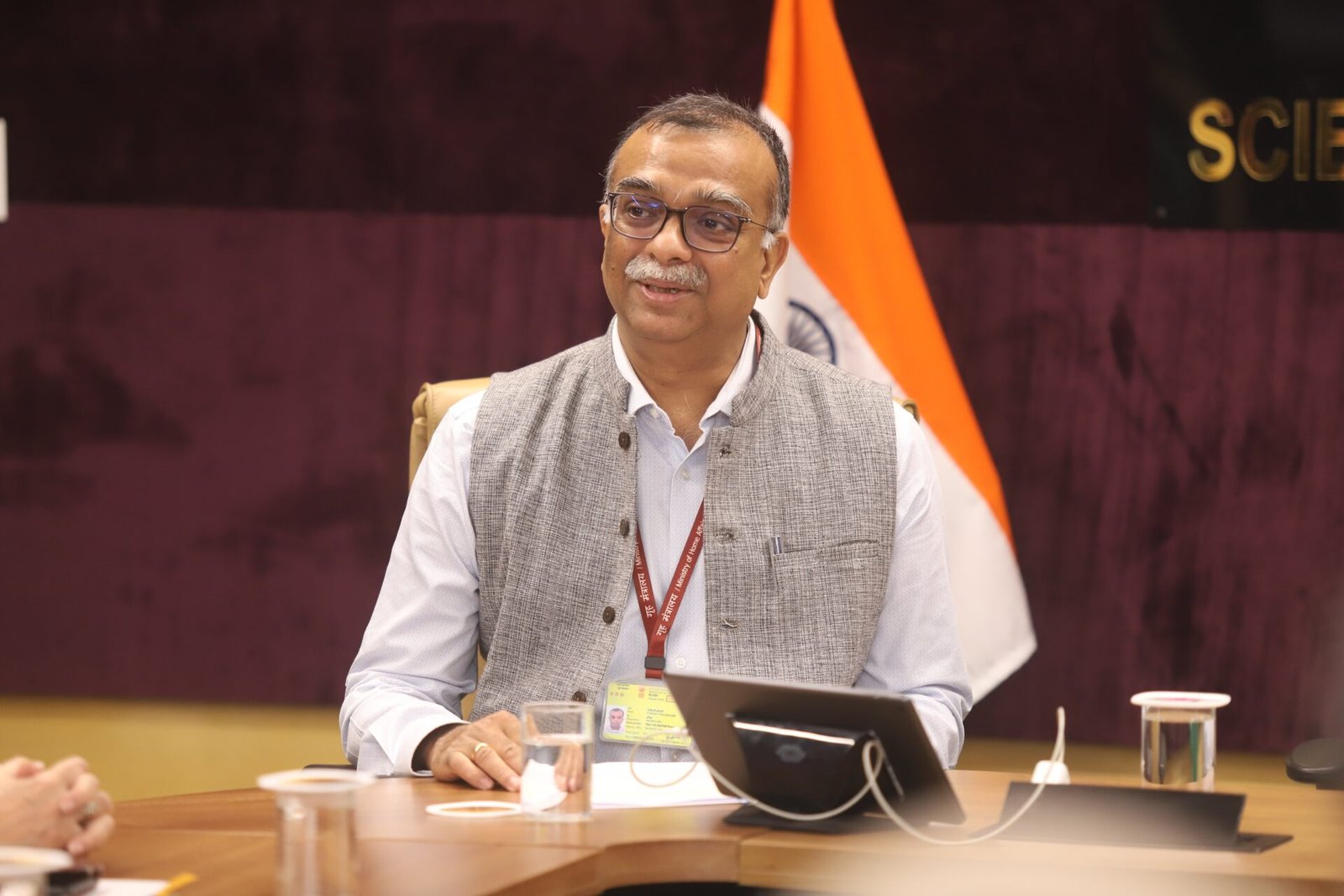
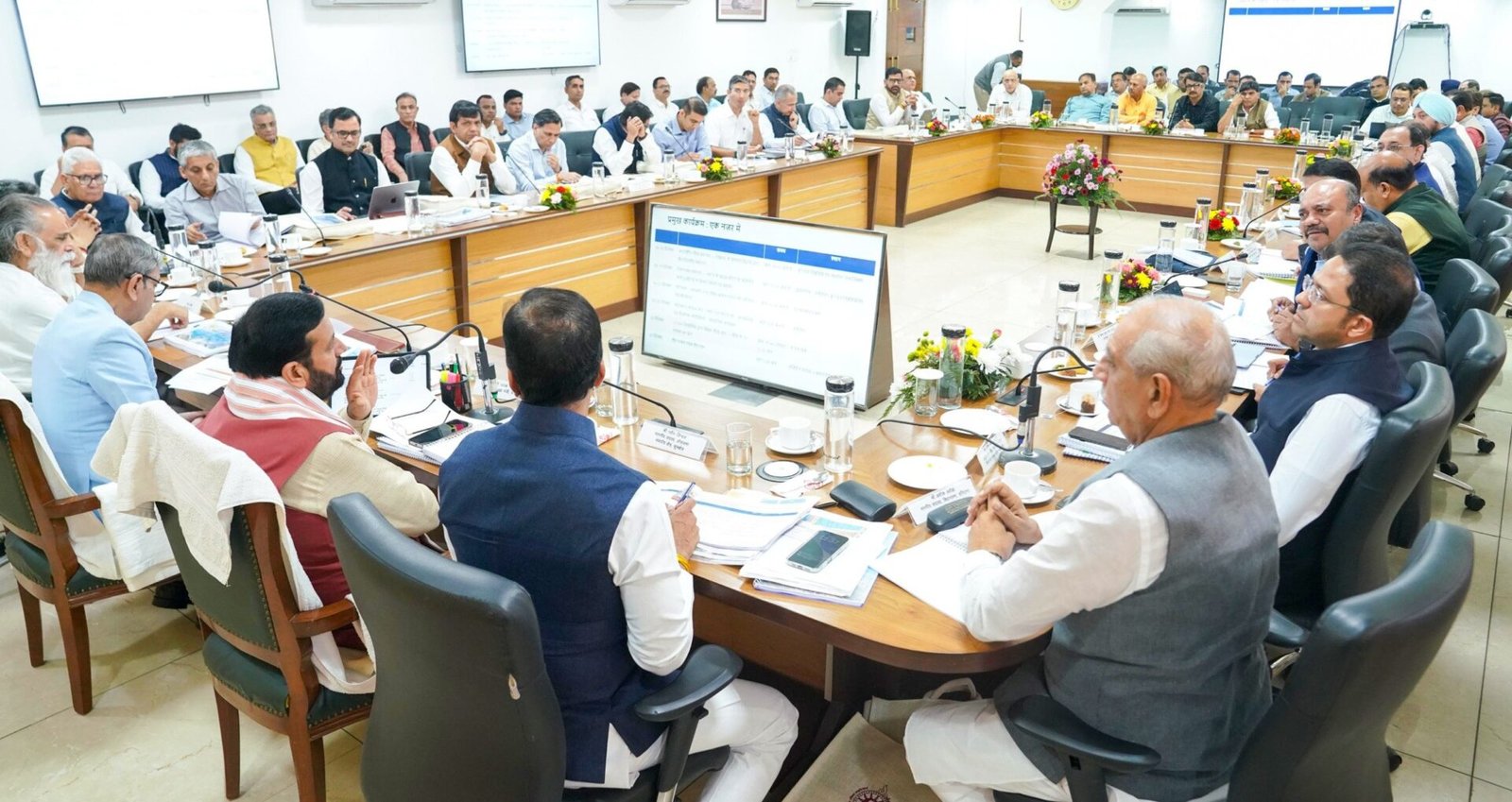
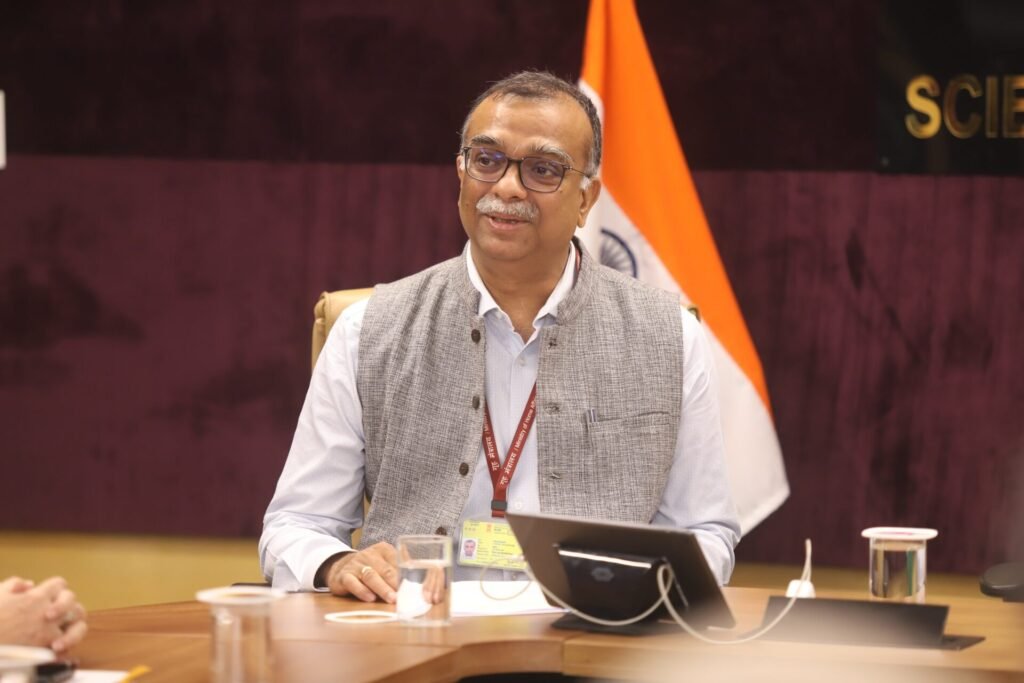
 Rahnuma:Industry-academia collaboration key to advancing India’s physical AI and autonomous systems: DST Secretary New Delhi, Oct 29 (IANS) The Department of Science and Technology (DST) Secretary Prof. Umesh V. Waghmare said on Thursday that collaboration among industry, academia, researchers, start-ups and technology users will be critical to advancing India’s autonomous systems, Physical Artificial Intelligence (AI) and robotics. The collaboration is also crucial to translate scientific research into solutions with societal impact, Waghmare said while speaking at Emerging Science, Technology and Innovation Conclave (ESTIC) 2026 here.
Eminent experts at the event mulled over how Autonomous Systems, Physical AI and Robotics would change scientific research and technological innovations in the near future. Waghmare highlighted DST’s National Mission on Interdisciplinary Cyber-Physical Systems, and that technology innovation hubs have been established at 25 leading academic institutions for interaction among academia, industry and start-ups and facilitate the commercialisation of research. He noted that Phase I of the mission was scheduled to conclude in December 2027, adding that the discussions and feedback from speakers and participants at the session would help inform the formulation of plans for the mission’s second phase.
NITI Aayog Member Prof. Abhay Karandikar said that Physical AI is not merely an artificial intelligence challenge but also a systems engineering challenge. He emphasised that the successful functioning of intelligent physical systems depends on several interconnected components, including reliable sensors, efficient actuators, real-time computing, robust control algorithms, low-latency communication and energy-efficient hardware. Prof. Karandikar observed that physical AI systems differ from conversational AI tools because errors involving robots operating in factories or autonomous vehicles can have immediate physical consequences