DUBAI(RAHNUMA): Saudi Arabia has issued its strongest condemnation of the repeated Iranian attacks against Jordan, Bahrain and Kuwait after the three countries were hit by retaliatory strikes for a second day.
The continuation of attacks on the three countries’ sovereignty of sister states exacerbates tension in the region, a statement from the Kingdom’s foreign affairs ministery said.
The Saudi foreign ministry called for “de-escalation and restraint, urging all parties to prioritize wisdom by returning to diplomatic efforts and resuming the constructive negotiations sponsored by the Islamic Republic of Pakistan, along with the efforts of the State of Qatar.”
The UAE also condemned the “aggressive Iranian attacks,” and emphasized these represented a “flagrant violation of the sovereignty of the three sisterly countries, and a threat to their security and stability.”
Qatar and Egypt also condemned the Iranian attacks, describing Tehran’s actions a flagrant violation of the three countries’ sovereignty and integrity.
Qatar, through its foreign ministry, said the resurgence of Iranian attacks were “a flagrant violation of the sovereignty of these states and a blatant breach of the rules of international law.”
Doha “emphasizes the necessity of sparing the region the consequences of these unjustified attacks, and working to de-escalate to restore security and stability regionally and internationally,” the foreign ministry said.
Kuwait strongly denounced the “continued heinous and repeated Iranian aggressions” against the country, a statement from the foreign affairs ministry noted.
Secretary-General of the Gulf Cooperation Council Jasem Mohamed Al-Budaiwi also issued a statement condemning in strongest terms the repeated treacherous Iranian attacks, and reaffirmed the group’s support for all measures taken by Bahrain, Kuwait and Jordan to enhance their security, preserve their sovereignty and territorial integrity.
“These blatant aggressions reflects an organized aggressive approach, which the State of Kuwait will neither accept nor tolerate, not to mention that it constitutes a flagrant violation of the sovereignty of the State of Kuwait, a blatant breach of the rules of international law and the United Nations Charter, and an undermining of efforts aimed at de-escalation in the region,” the statement added.
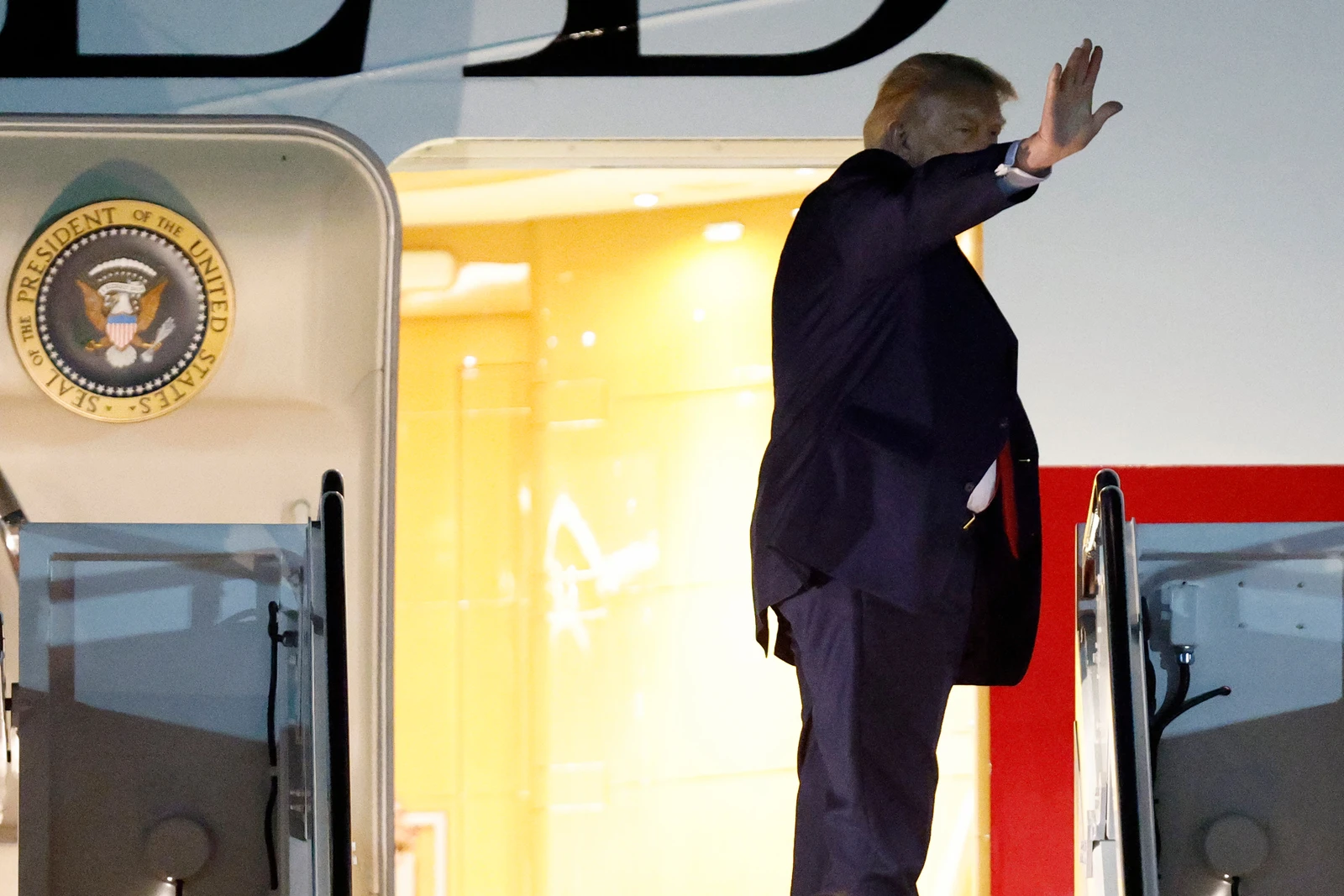
The US launched a second round of airstrikes on Iran into Thursday morning after President Donald Trump warned that Tehran would “pay the price” for stalled negotiations.
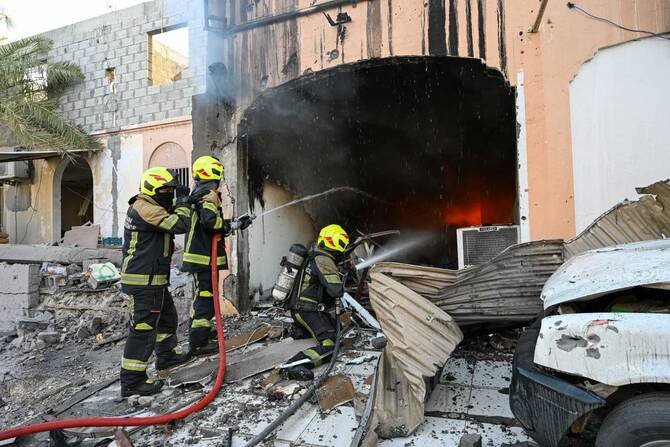
Iran responded with strikes targeting Bahrain, Kuwait and Jordan.
Kuwait closed its airspace for several hours because of the Thursday morning attack.
“Air traffic in Kuwaiti airspace has returned to normal,” the Directorate General of Civil Aviation said in a statement.
Jordanian air defense systems intercepted and shot down 20 missiles launched from Iran towards the Blue Zone, state media reported.
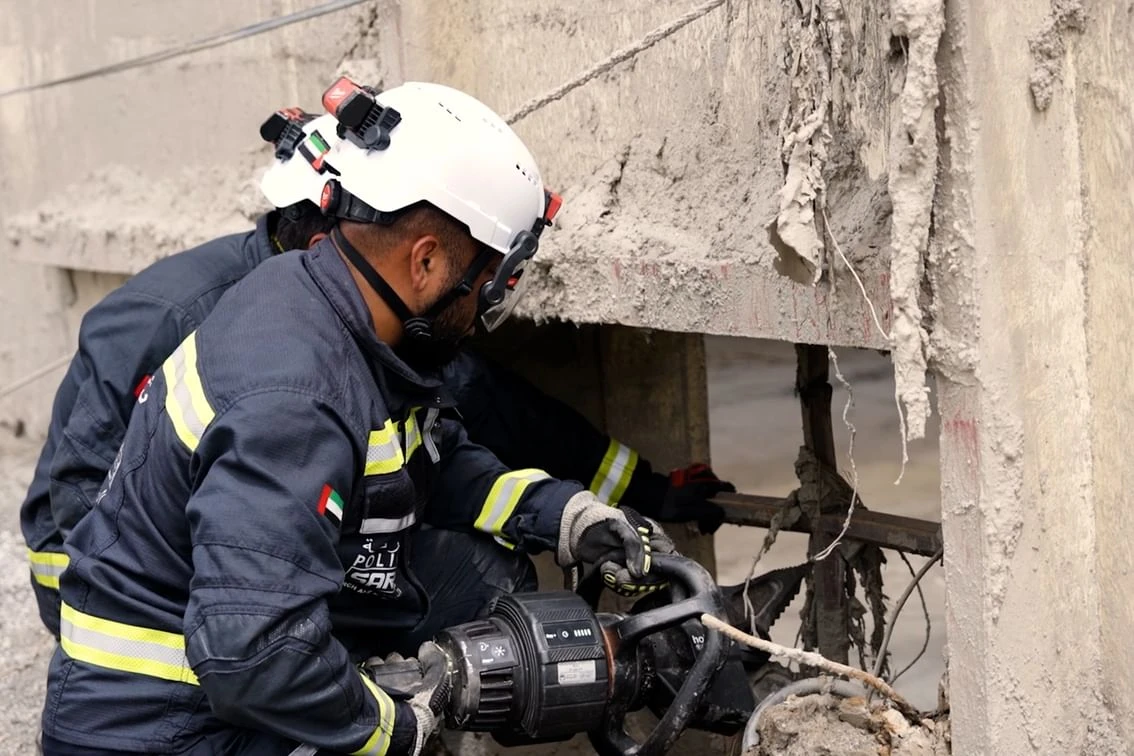
Bahrain’s interior ministry said an 11-year-old girl was injured and several houses and homes were damaged Hamad City and the capital Manama due to shrapnel from intercepted Iranian drones.
The third back-and-forth strikes this week have tested a two-month shaky ceasefire. The first were attacks between Iran and Israel on Sunday into Monday, followed by the two rounds of fire between America and Tehran.
Trump has urged Iran to sign a deal to end the war and suggested earlier this week that an agreement could be reached in days.
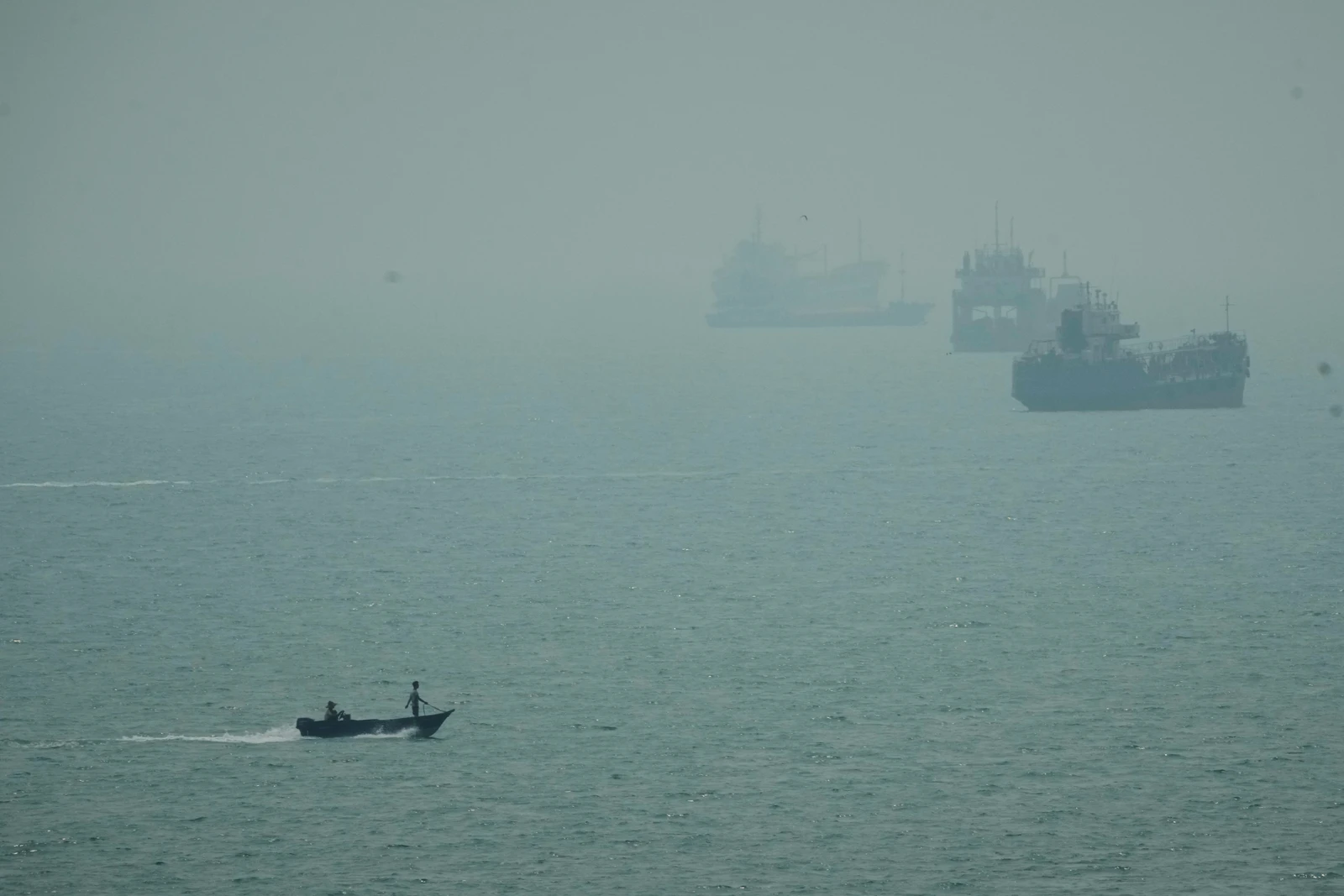
But Iran has proved resilient despite weeks of heavy bombing. It is betting that its ability to effectively close the Strait of Hormuz — a crucial passageway for oil and natural gas — gives it a strong bargaining chip.
Still, both countries seem to be looking for a way to end the conflict — if they can manage to sell it as a win at home.