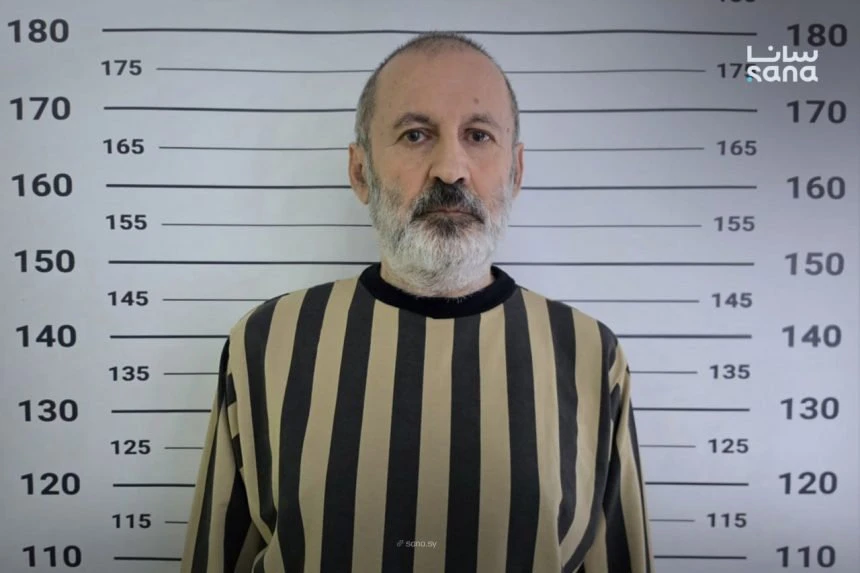
DAMASCUS (RAHNUMA):Syrian authorities have arrested a former senior officer in the ousted regime’s army accused of planning and ordering the 2014 al-Otaiba massacre in Eastern Ghouta, which killed more than 150 people, Interior Minister Anas Khattab announced Thursday.
Khattab said Rawad Zeidan, a former brigadier general and chief of staff of the 30th Division, had been arrested for his role in the ambush, which targeted civilians and defected soldiers attempting to escape the besieged area.
“No one can forget that painful moment witnessed by the town of al-Otaiba nor the souls of the martyrs who fell in al-Otaiba Ambush massacre,” Khattab said in a post on X, recalling the killings that claimed more than 150 lives.
The Interior Ministry’s Internal Security Forces said investigations indicated Zeidan had also been involved in several military operations targeting different areas during the Syrian revolution.
The massacre took place in late February 2014, when former regime forces attacked a group attempting to leave Eastern Ghouta, then under siege. The attackers detonated mines and explosive devices before launching shelling, killing more than 150 people, according to the Interior Ministry’s account.
The killings left hundreds missing, with the fate of many victims remaining unknown for years.
In September 2025, authorities uncovered a mass grave in al-Otaiba containing the remains of about 170 people believed to have been killed in the 2014 attack. The discovery followed local police finding skeletal remains exposed on an agricultural field.
The National Committee for the Missing began recovering and documenting the remains in coordination with civil defense teams and under the supervision of prosecutors. Authorities urged residents not to disturb the site to protect evidence and facilitate forensic investigations.
Damascus countryside prosecutor Mohammad Omar Hajar said the grave contained approximately 170 civilians from Eastern Ghouta and surrounding areas who were killed while trying to escape the siege and famine.
The Syrian Network for Human Rights has described mass graves uncovered across the country as evidence of systematic killings, enforced disappearances and mass burial practices under the former regime. Its director, Fadel Abdulghany, said the discoveries could constitute evidence of war crimes and crimes against humanity.
The fate of Syria’s missing remains a major humanitarian concern. Families continue to seek information about relatives detained, disappeared or killed during years of conflict, while authorities work to identify recovered remains and document crimes.