(RAHNUMA): At first glance, a local tribal association stepping in to end informal gold mining in southern Egypt and peacefully resolve a standoff between the army and prospectors seems to be a purely domestic security issue, but the initiative proposed by the Association of Arab Tribes will reshape security along Egypt’s southern frontier, and its impact will also reverberate across the border in Sudan.
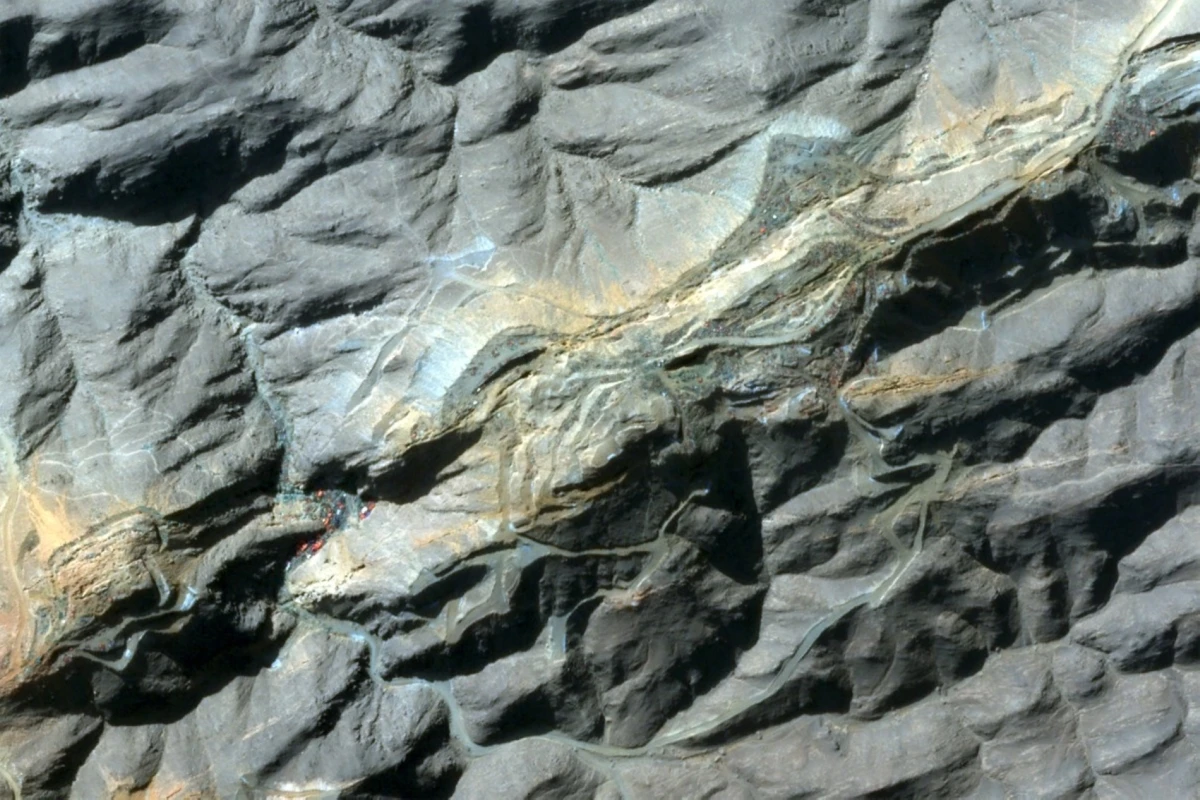
Informal gold mining (and the gold trade it nourishes) supports military activities in Sudan, where an ongoing civil war erupted in April 2023. Illicit mining accounts for 85-90% of Sudan’s declared gold production and has helped fund both the paramilitary Rapid Support Forces (RSF) and the Sudanese Armed Forces (SAF). The mining across northern Sudan has now seeped into southern Egypt. The rugged mountain ranges and dry riverbeds of the Egyptian Eastern Desert now contribute to the financing of war.
The initiative tabled by the Association of Arab Tribes cannot be viewed in isolation from the war in Sudan. It is, in fact, Egypt’s latest bid to cut the funds to Sudan’s warring parties, particularly the RSF. Under the plan, a new company established by the military-affiliated Future of Egypt Authority for Sustainable Development (which oversees agricultural reclamation and development projects) will hire thousands of informal miners and prospectors, bringing them into the formal sector.
The association, which is an umbrella organisation of 30 tribes from across Egypt, is playing a major role. It has ties to the Egyptian security apparatus, with its member tribes in Sinai having helped fight against a branch of Islamic State between 2013-22. It is mediating to secure the release of thousands of artisanal gold miners detained in recent months during the Egyptian army’s crackdown.
This initiative, which is reportedly supported by Egypt’s President Abdel Fattah al-Sisi, could help to defuse tensions between Egypt’s southern tribes and the Egyptian army, and between Egypt and northern Sudan’s tribes. Yet it remains unclear whether the new state-backed company can absorb thousands of informal miners or offer them salaries good enough to compete with the lucrative returns of illicit prospecting.
Nonetheless, the initiative offers insights into one aspect of Egypt’s evolving strategy for dealing with the crisis in Sudan—a country Cairo has long considered an integral part of its national security. Egypt is trying to formalise its mining sector to better harness its mineral wealth. The authorities are mapping deposits, drafting a new mining law, and inviting private-sector investment in prospecting, but the initiative to regulate mining near the border with Sudan is more about politics than economics.