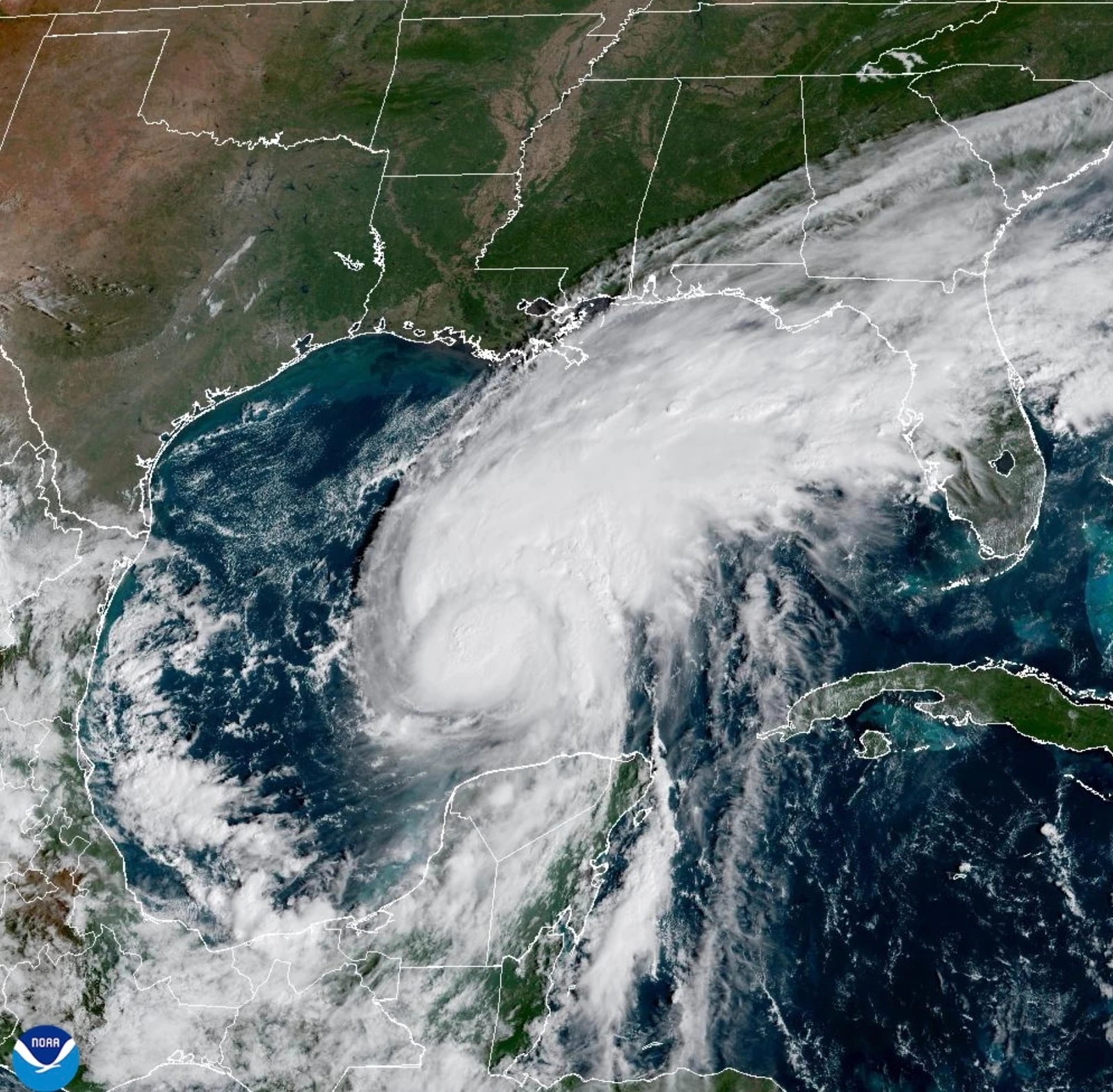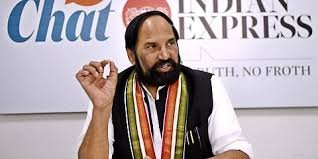
Hyderabad, July 18 (RAHNUMA): Expressing concern over the possibility of a climate phenomenon called by experts as a “Super El Niño” threatening to impact current monsoon, Irrigation and Civil Supplies Minister Capt. N. Uttam Kumar Reddy said the Telangana government was actively preparing to tackle the challenges posed by deficient rainfall and increasing uncertainty in respect of state utilisation of water resources.
Delivering the keynote address at a meet on climate change organised by “Symposium”, a non-profit platform bringing together leading voices from academia, civil society, government and industry, at Hotel Avasa, Hyderabad on Saturday, the Minister said Telangana had already begun experiencing the consequences of changing climatic conditions and warned that the State could no longer depend on historical rainfall patterns while planning its water resources.
“As someone responsible for irrigation, food and civil supplies, I can say we are already facing the uncertainties created by climate change,” Uttam Kumar Reddy said. The Minister noted that since the Congress government assumed office in December 2023, Telangana had experienced nearly two-and-a-half years of favourable monsoons, ensuring healthy reservoir storage, stable irrigation supplies and adequate drinking water availability. However, he said the present season marked a significant departure from that trend.
The Minister stressed that the government was not waiting for the crisis to deepen before taking action. Instead, departments dealing with irrigation, agriculture, drinking water and civil supplies are coordinating contingency measures to minimise the impact on farmers and the public, he said.
The Minister said the effects of climate change were already visible in fluctuating reservoir levels in Telangana, changing irrigation cycles, unstable water availability and shifting cropping patterns.
Uttam Kumar Reddy said governments could no longer rely on the assumption that past monsoon behaviour would repeat itself and called for irrigation systems to be redesigned around climate variability rather than historical averages. He advocated a transition from post-crisis management to anticipatory planning, supported by real-time reservoir operations, scientific decision-making and closer coordination between the irrigation and agriculture departments.
Uttam Kumar Reddy said the real test of governance would not be the number of projects announced but whether governments could protect farmers from the growing uncertainties caused by climate change.
The Minister said water management could no longer wait for policy debates or budget cycles, emphasising that governments must be prepared well in advance to respond to delayed monsoons and rainfall deficits. “People should be able to trust that their government has planned ahead, acted with care and stood with them, whether the rains arrive on time or not,” Uttam Kumar Reddy said.