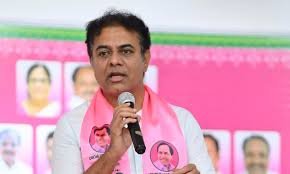
Hyderabad, May 31(RAHNUMA): Launching a scathing attack on BRS working president K.T. Rama Rao,
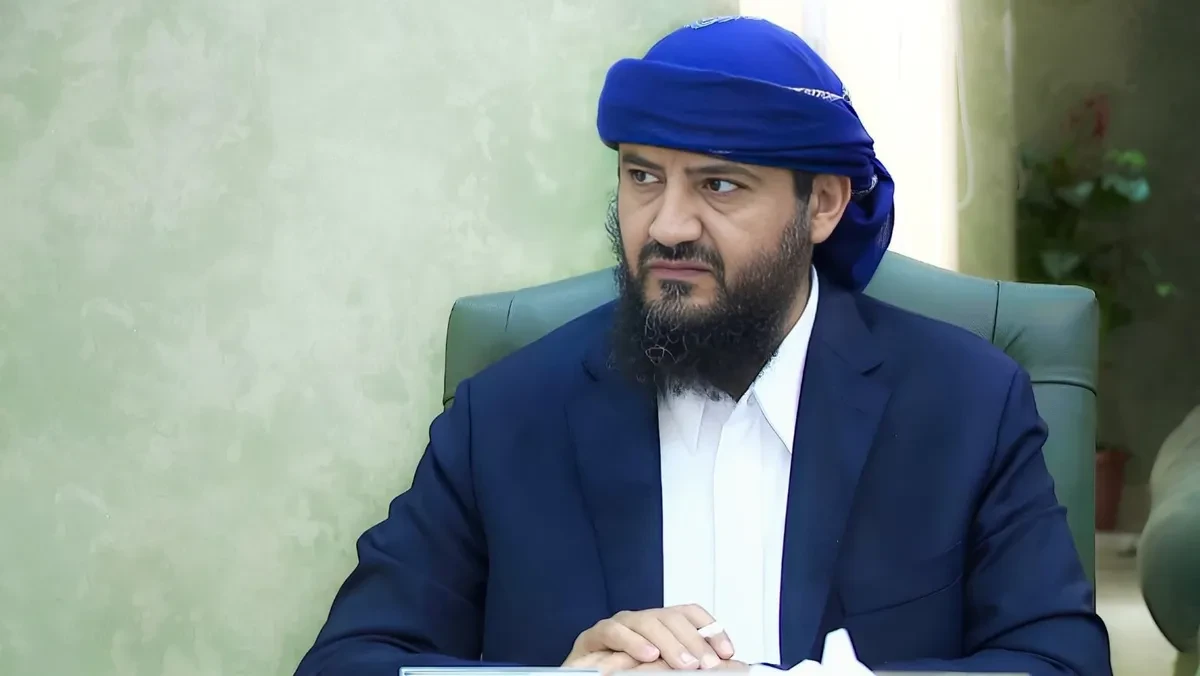
Minister for SC, ST Welfare Adluri Laxman Kumar on Sunday accused the previous BRS government of neglecting welfare residential institutions for a decade while now attempting to mislead the public on Gurukul education reforms undertaken by the Congress government.
Addressing a press conference at the CLP office in the Assembly on Sunday, the Minister said the Congress government under the leadership of Chief Minister A. Revanth Reddy is transforming the welfare education sector through massive investments in infrastructure, nutrition, quality education, foreign education support and transparent procurement systems, whereas the previous regime merely increased the number of institutions without creating adequate infrastructure.
“BRS has no moral right to speak about Gurukuls. They may have increased the number of institutions, but failed to construct even a single permanent Gurukul building for welfare students,” he said.
Adluri Laxman Kumar challenged KT Rama Rao to publicly disclose how many Gurukul school buildings were actually completed during the BRS regime despite announcements that over 100 new welfare educational institutions would be established.
“If BRS can prove that it constructed even one permanent Gurukul building during its tenure, I am ready for any debate, at any venue, on any date fixed by KTR,” the Minister declared.
He alleged that most welfare institutions functioned from rented premises during the BRS government and that little attention was paid to providing quality infrastructure for SC, ST, BC and Minority students.
The Minister said the Congress government has launched one of the largest educational infrastructure programmes in the State by initiating the construction of 119 Integrated Residential Educational Institutions.
Each campus, he said, is being developed over 20 to 25 acres with an estimated investment of around ₹200 crore, equipped with facilities comparable to top corporate educational institutions.
“Our objective is to ensure that children from poor, Dalit, tribal, backward vlass and minority families receive the same educational opportunities available to students studying in elite private institutions,” he said.