Hyderabad, June 21 (RAHNUMA): The Cabinet Sub-Committee, constituted by the Telangana government to examine the implications of the proposed Viksit Bharat–Guarantee for Rozgar and Ajeevika Mission (Gramin) (VB-G RAM G) Act, 2025, has favoured adopting a cautious and critical approach towards the Centre’s proposed rural employment and livelihood legislation.
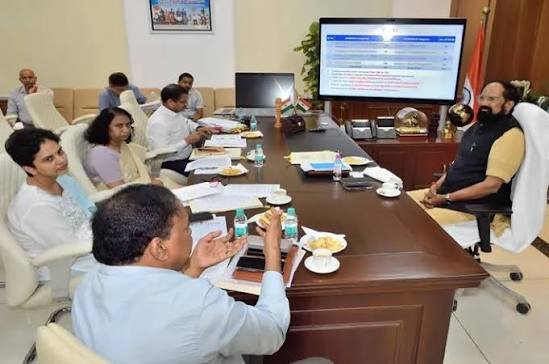
The Committee, chaired by Irrigation and Civil Supplies Minister N. Uttam Kumar Reddy, held its first meeting at the Secretariat on Sunday and expressed serious concerns over several provisions of the proposed legislation, which members felt could adversely affect Telangana’s interests and weaken protections available to vulnerable rural communities.
During the deliberations, the Committee explored various options for formally conveying the State’s dissent over what it described as significant omissions and commissions in the proposed framework that seeks to replace the Mahatma Gandhi National Rural Employment Guarantee Act (MGNREGA) with the VB-G RAM G Act from July 1.
Members observed that some provisions of the proposed legislation could dilute the role of State governments in planning and implementing employment guarantee programmes while increasing financial liabilities on States. The Committee noted that Telangana’s rural poor could be placed at a disadvantage in accessing employment opportunities and livelihood support under the new framework.
The members also reviewed concerns raised by several non-BJP ruled States and certain northeastern States regarding the additional fiscal burden that may arise from implementation of the proposed legislation. It was pointed out that some States, including Himachal Pradesh, have not yet accepted the new framework.
The Committee is expected to recommend a series of amendments aimed at safeguarding the interests of workers, self-help groups, rural households, small and marginal farmers, and other vulnerable sections.
The Telangana government’s response is expected to emphasise the principles of cooperative federalism, greater fiscal support from the Centre, and stronger safeguards for rural livelihoods.
The Cabinet Sub-Committee preferred formally communicating State’s concerns and recommendations to the Union government after finalising its report.
During the meeting, Minister Uttam Kumar Reddy recalled that the rural employment guarantee programme was conceived during the UPA government and described MGNREGA as one of the most successful social protection programmes in independent India. He said the scheme was the brainchild of Congress leader Sonia Gandhi and had become a model for rural employment and social security.
The Minister strongly criticised the proposed removal of Mahatma Gandhi’s name from the programme, describing it as unfortunate and unnecessary. He noted that several farmers’ and labour organisations across the country had voiced opposition to the move.
Uttam Kumar Reddy reiterated the Telangana government’s demand that the Centre withdraw the proposed VB-G RAM G Act and restore the existing MGNREGA framework.
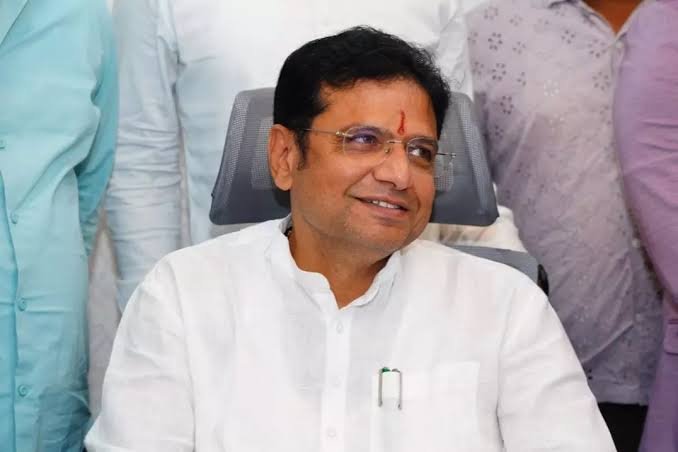
Minister for Panchayat Raj and Rural Development Danasari Anasuya Seethakka, Agriculture Minister Tummala Nageswara Rao, and Labour and Employment Minister G. Vivek Venkatswamy virtually participated in the meeting.