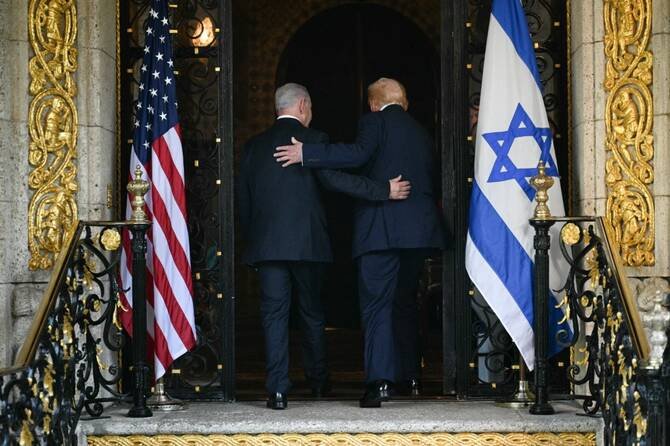
DUBAI(RAHNUMA): American President Donald Trump and Israeli Prime Minister Benjamin Netanyahu have found themselves at odds over Iran, Lebanon and the course of ongoing negotiations in the Middle East according to The Washington Post.
The report detailed growing disagreements between the two leaders as Trump worked to secure a ceasefire with Iran and advance a diplomatic framework that would reopen the Strait of Hormuz, while Netanyahu continued to argue for maintaining military pressure on Tehran. Israeli officials were said to have been caught off guard by Washington’s shift toward a deal.
In a series of phone calls, Netanyahu questioned how any agreement with Iran could be enforced and warned against trusting the Iranian leadership. Trump, meanwhile, became increasingly focused on preventing a wider conflict and limiting the economic fallout from the war, particularly concerns surrounding global energy markets and shipping routes.
The differences extended to Lebanon, where Trump objected to Israeli strikes that risked undermining ceasefire efforts.
According to the article, conversations between the two leaders became increasingly tense as Trump challenged the rationale behind some military operations and urged restraint.
The disputes marked a notable shift from the close coordination that characterized much of the war with Iran. Netanyahu had spent months urging Washington to take a tougher approach toward Tehran, presenting intelligence assessments and military plans while lobbying for broader action against the Iranian regime. Trump initially embraced many of those efforts and closely followed developments on the battlefield but later rejected proposals that could have drawn the United States deeper into the conflict.
The article also shed light on the unusually close ties cultivated between the two leaders over the past year. Netanyahu made frequent visits to Washington, remained in regular contact with Trump and sought to showcase the relationship publicly. Military cooperation expanded significantly during the conflict, with American and Israeli forces coordinating at a level officials described as unprecedented.
Yet behind the public displays of unity, disagreements over diplomacy, military strategy and regional priorities steadily widened. The Washington Post said Trump had begun seeking additional views from advisers after speaking with Netanyahu, while some officials within the administration questioned whether Israeli political considerations were influencing decisions on the ground.