New Delhi, June 17 (IANS) India is undergoing one of the largest urban transitions in human history, with nearly 40 per cent of its population expected to reside in urban areas by 2036, which necessitates the rapid expansion of metro infrastructure in the country, leading experts have said.
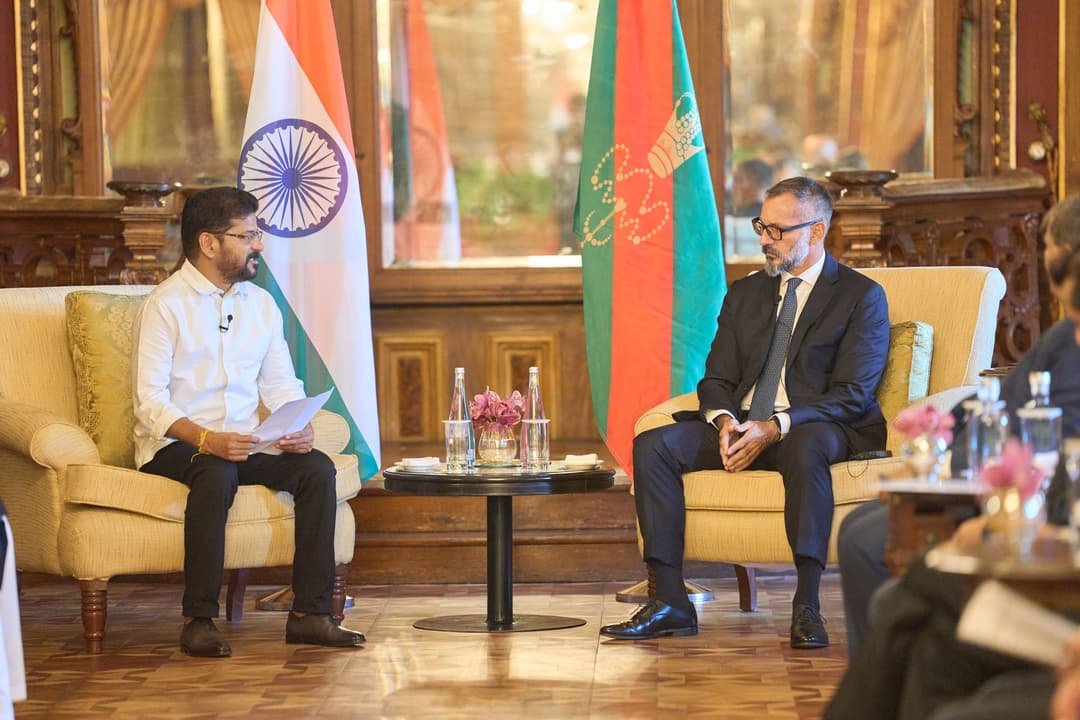
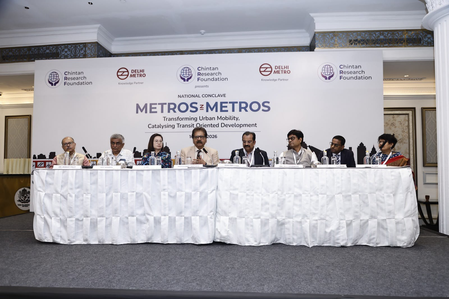
Determined to contribute meaningfully to shaping the policy perspective through substantive dialogue, Chintan Research Foundation (CRF) convened the national conclave, titled “Metros in Metros: Transforming Urban Mobility, Catalysing Transit-Oriented Development,” in the national capital.
M. Jamshed, Distinguished Fellow, CRF and former Member (Traffic), Railway Board, noted that urban rail systems have become indispensable to modern cities worldwide.
Stressing that the challenge extends beyond accommodating urban growth, he emphasised the need to build cities that are productive, inclusive, environmentally sustainable, and supported by integrated transport and land-use planning.
A central theme that emerged during the conclave was that mobility extends beyond transportation to enabling access to employment, education, healthcare, and economic opportunity.
Participants noted that congestion and fragmented mobility systems are imposing significant economic and environmental costs, making efficient public transport essential for productive and liveable cities.
The discussions underscored the growing role of Metro Rail, Regional Rapid Transit Systems (RRTS) and Suburban Rail Networks as the backbone of India’s urban mobility ecosystem.
Dr. Vikas Kumar, Managing Director, Delhi Metro Rail Corporation (DMRC), emphasised that “advanced cities are not those where the poor drive cars, but those where the rich use public transport.”
He described metro systems as engines of economic growth and urban transformation, stressing that their success should not be measured merely in kilometres of track laid, but by the quality of development created around them, and called for the creation of transit systems that are safe, inclusive, and efficient for all citizens.
Transit-Oriented Development (TOD) emerged as another key area of discussion. Dr Kumar emphasised the need to integrate urban development with mass transit investments.
Compact, mixed-use and transit-accessible communities can promote sustainable urban growth, provided they are supported by coordinated planning and innovative financing mechanisms, he mentioned.
Shishir Priyadarshi, President, CRF, observed that India is effectively adding the equivalent of a medium-sized city to its urban population every month, making urban mobility one of the country’s defining development challenges.
Describing congestion as a “silent tax on growth” that affects all citizens equally, he stressed that metro stations must evolve into complete systems and hubs of economic activity.
“The real question is not how urban transport drives growth, but how economic growth can translate into better urban transport systems and more liveable cities,” Priyadarshi noted.
Dr. Brijesh Dixit, Managing Director, Maharashtra State Infrastructure Development Corporation (MSIDC), emphasised that the success of urban mobility projects depends fundamentally on robust planning and execution, including strong documentation, well-designed tender conditions, and clearly defined project parameters.
Shalabh Goel, Managing Director, NCRTC, said that India’s metro systems today stand alongside the world’s leading transit networks in technology and innovation and stressed the need for resilient, integrated mobility systems tailored to India’s urban aspirations.